What to Eat After a Tooth Extraction: A Holistic Guide to Faster Healing
Having a tooth extracted is often the first step towards restoring your oral health. Whether you’ve had a wisdom tooth removed, an infected tooth extracted, or are preparing for future implant treatment, the days immediately following your procedure play a crucial role in your recovery.
One of the most common questions we hear at Optimal Dental Health is: “What should I eat after a tooth extraction?”
The answer goes far beyond simply choosing soft foods. The nutrients you consume can directly influence inflammation, tissue repair, immune function, collagen production, and even bone healing. A holistic approach focuses on supporting your body’s natural healing mechanisms while minimising discomfort and reducing the risk of complications.
In this guide, you’ll learn exactly what to eat after a tooth extraction, which foods to avoid, and how therapies such as ozone therapy and red light therapy may help support the healing process.
Why Nutrition Matters After a Tooth Extraction
Following an extraction, your body immediately begins a sophisticated healing response.
This process involves:
- Blood clot formation
- Inflammation control
- Tissue regeneration
- Collagen production
- Bone remodeling
- Immune system activation
To perform these functions efficiently, your body requires adequate nutrients. Research consistently demonstrates that protein, vitamins A, C and Vitamin D, zinc, magnesium and omega-3 fatty acids all play important roles in wound healing and tissue repair. [1] [2]
When your body receives the nutrients it needs, healing can occur more efficiently and comfortably.
The First 24 Hours: Focus on Protection and Nourishment
The first day after an extraction is primarily about protecting the blood clot that forms within the socket. This clot acts as a natural protective barrier and provides the foundation for healing. If it becomes dislodged, a painful condition known as dry socket can develop.
During this period, choose foods that are soft, cool or room temperature, easy to swallow and rich in nutrients.
Best Foods to Eat Immediately After an Extraction
Smoothies (Without a Straw)
Smoothies are one of the easiest ways to obtain nutrients without chewing.
Try combining:
- Banana
- Blueberries
- Avocado
- Coconut milk
- Greek yoghurt
Avoid drinking through a straw, as suction can disturb the healing clot.
Bone Broth
Bone broth is rich in:
- Collagen
- Glycine
- Proline
- Calcium
- Magnesium
These nutrients support connective tissue repair and may help promote healing. [3]
Natural Yoghurt
Unsweetened yoghurt provides:
- Protein
- Calcium
- Beneficial bacteria
If you’ve been prescribed antibiotics, probiotic-containing foods may help support microbial balance within the gut and oral microbiome. [4]
Avocado
Avocado offers healthy fats, vitamin E, potassium and folate while requiring little or no chewing. Its creamy texture makes it ideal during the early stages of healing.
The Best Foods to Eat During Days 2 to 7
As healing progresses, you can begin incorporating a wider range of nutrient-dense foods.
Prioritise Protein
Protein is essential for tissue regeneration and collagen synthesis.
Excellent options include:
- Scrambled eggs
- Soft white fish
- Slow-cooked chicken
- Cottage cheese
- Tofu
- Lentil soup
- Soft beans
Many people underestimate the importance of protein during recovery. In reality, healing tissues are highly metabolically active and require amino acids to rebuild damaged structures.
Increase Vitamin C Intake
Vitamin C plays a critical role in collagen formation and wound repair. [5]
Soft sources include:
- Kiwi
- Papaya
- Mango
- Blended fruit smoothies
Vitamin C deficiency has been associated with impaired wound healing and delayed tissue repair.
Include Omega-3 Fatty Acids
Omega-3 fats help regulate inflammatory pathways and may support healing. [6]
Good options include:
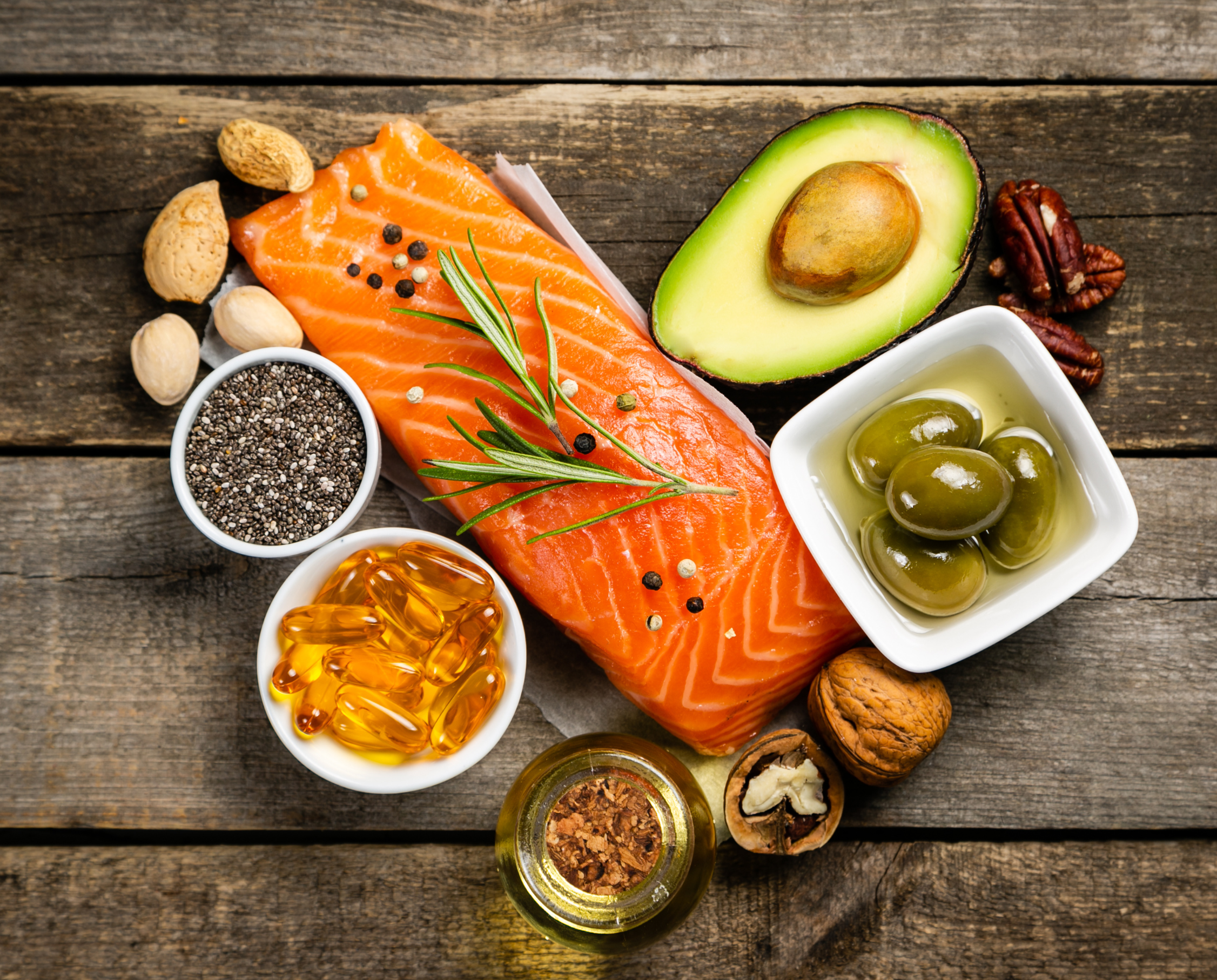
- Wild salmon
- Sardines
- Mackerel
- Chia seeds
- Ground flaxseed
Inflammation is a natural part of healing, but excessive inflammation can prolong recovery and discomfort.
Eat Mineral-Rich Foods
Minerals are essential for bone metabolism and tissue regeneration.
Focus on:
- Dark leafy greens (blended into soups)
- Pumpkin seeds (ground)
- Soft-cooked vegetables
- Bone broth
Particularly important nutrients include:
- Magnesium
- Zinc
- Calcium
- Phosphorus
Foods to Avoid After a Tooth Extraction
Certain foods can interfere with healing or increase discomfort. For at least seven days, avoid:
Crunchy Foods
Examples include:
- Crisps
- Crackers
- Nuts
- Granola
Small particles can become trapped in the extraction site.
Hard Foods
Avoid:
- Raw vegetables
- Hard bread
- Tough meat
These foods can place unnecessary pressure on the healing area.
Spicy Foods
Spicy foods may irritate the extraction site and increase discomfort.
Hot Foods and Drinks
Very hot foods can potentially disrupt clot formation during the first 24–48 hours. Allow food and drinks to cool before consuming them.
Alcohol
Alcohol may impair wound healing and can interact negatively with prescribed medications. [7]
Sugary Foods
Excessive sugar consumption contributes to inflammation and can negatively affect oral microbial balance.
Hydration and Healing
Hydration is often overlooked during recovery. Water is required for:
- Nutrient transport
- Waste removal
- Cellular repair
- Saliva production
Aim to drink water regularly throughout the day. If plain water feels boring, consider:
- Filtered water with cucumber
- Herbal teas (once cooled)
At Optimal Dental Health, we recommend reducing acidic drinks such as fizzy beverages, sports drinks and excessive fruit juice during healing.
Supporting Healing with a Holistic Approach
Nutrition is only one aspect of recovery. Your body heals most effectively when multiple aspects of health are supported simultaneously.
Prioritise Sleep
The majority of tissue repair occurs during sleep. Research demonstrates that sleep deprivation impairs immune function and slows wound healing [8]
Aim for:
- Consistent bedtimes
- A dark sleeping environment
- Reduced evening screen exposure at least 90 minutes before
Manage Stress
Chronic stress can negatively affect healing by increasing cortisol levels and altering immune responses.[9]
Helpful approaches include:
- Nasal breathing exercises
- Meditation
- Gentle walking
- Breathwork
- Time outdoors
Ozone Therapy After Tooth Extraction
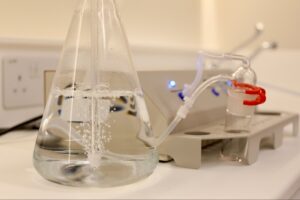
At Optimal Dental Health, ozone therapy is commonly used as part of our holistic extraction protocols. Ozone has been extensively studied for its antimicrobial properties and ability to support healing. [10]
Following a tooth extraction, ozone may help:
- Reduce bacterial contamination
- Support tissue healing
- Promote healthy circulation
- Enhance oxygen delivery to tissues
- Support a healthy oral microbiome
Unlike conventional antimicrobial approaches that may disrupt beneficial bacteria, ozone can be used as a targeted adjunct to support natural healing processes. This is one reason why ozone therapy has become an important component of biological and holistic dentistry.
You can download our FREE Ozone Therapy guide here.
Red Light Therapy for Healing and Recovery

Another therapy gaining increasing scientific attention is red light therapy, also known as photobiomodulation. Red and near-infrared wavelengths have been shown to influence cellular energy production by acting on the mitochondria. [11].
Research suggests red light therapy may help:
- Reduce inflammation
- Support circulation
- Improve tissue repair
- Reduce discomfort
- Enhance wound healing
Following dental extractions and oral surgery, photobiomodulation may assist the body’s natural regenerative processes. At Optimal Dental Health, our holistic dentists in London incorporate evidence-based technologies such as red light therapy where appropriate to support optimal recovery.
Nutrients That Support Bone Healing
If you’re considering future implant treatment following an extraction, supporting bone healing becomes especially important.
Key nutrients include:
Vitamin D
Vitamin D helps regulate calcium metabolism and plays an important role in bone health. [12]
Vitamin K2
Vitamin K2 works alongside vitamin D to support proper calcium utilisation.
Magnesium
Magnesium participates in hundreds of biochemical reactions involved in healing and bone formation.
Protein
Bone tissue contains a significant protein matrix that requires adequate amino acids for regeneration.
Omega-3 Fatty Acids
These fats help regulate inflammation while supporting healthy tissue repair. We often discuss personalised nutritional strategies with patients undergoing implant treatment or oral surgery.
Frequently Asked Questions
When can you eat normally after a tooth extraction?
Most people can gradually return to their normal diet within one to two weeks, depending on the complexity of the extraction and individual healing rates. Your holistic dentist in London will provide you with aftercare information.
Can you eat eggs after a tooth extraction?
Yes. Scrambled eggs are one of the best foods to eat after an extraction because they are soft, nutrient-dense and rich in protein.
Can you drink coffee after a tooth extraction?
It is generally advisable to avoid hot coffee for at least the first 24 hours. Heat may interfere with early clot stability.
Are smoothies good after a tooth extraction?
Yes, provided you drink them from a glass or spoon and avoid using a straw.
What helps a tooth extraction heal faster?
The most important factors include:
- Good nutrition
- Adequate hydration
- Quality sleep
- Avoiding smoking
- Following your dentist’s instructions
- Supporting overall health and wellbeing
Healing after a tooth extraction is about much more than simply waiting for the socket to close. The foods you eat, the quality of your sleep, your stress levels and your overall health all contribute to how effectively your body recovers.
By focusing on nutrient-dense foods, adequate protein, hydration and supportive therapies such as ozone therapy and red light therapy, you can help create the ideal environment for healing.
Every extraction is different, and personalised advice is always important. If you have concerns about your recovery, our team is here to help.
About the Author: Dr James Goolnik

Dr James Goolnik is the Founder and Clinical Director of Optimal Dental Health in London and one of the UK’s leading advocates for holistic and biological dentistry.
With over 30 years of clinical experience, Dr Goolnik combines advanced restorative dentistry with a whole-body health approach, helping patients understand the connections between oral health, nutrition, sleep, breathing, inflammation and overall wellbeing.
He has undertaken extensive postgraduate training in biological dentistry, SMART amalgam removal, ozone therapy, oral-systemic health and integrative healthcare. His approach focuses on minimally invasive treatment, biocompatible materials and supporting the body’s natural healing processes wherever possible.
Dr Goolnik regularly lectures internationally on holistic dentistry and is passionate about empowering people to make informed decisions about their oral and overall health.
Optimal Dental Health
1 Melcombe Street, London NW1 6AE
www.optimaldentalhealth.co.uk
References
[1] Stechmiller JK. Understanding the Role of Nutrition and Wound Healing. Nutrition in Clinical Practice. 2010.
[2] Guo S, DiPietro LA. Factors Affecting Wound Healing. Journal of Dental Research. 2010.
[3] Paul C. Bone Broth and Connective Tissue Health: Nutritional Considerations. Nutrients. 2018.
[4] Laleman I, Teughels W. Probiotics in Oral Healthcare. Periodontology 2000. 2020.
[5] Pullar JM et al. The Roles of Vitamin C in Skin Health and Wound Healing. Nutrients. 2017.
[6] Calder PC. Omega-3 Fatty Acids and Inflammatory Processes. Biochemical Society Transactions. 2017.
[7] Molina PE et al. Alcohol’s Burden on Immunity Following Injury. Alcohol Research. 2010.
[8] Gumustekin K et al. Effects of Sleep Deprivation on Wound Healing. Sleep and Biological Rhythms. 2004.
[9] Gouin JP, Kiecolt-Glaser JK. Stress and Wound Healing. Immunology and Allergy Clinics of North America. 2011.
[10] Elvis AM, Ekta JS. Ozone Therapy: A Clinical Review. Journal of Natural Science, Biology and Medicine. 2011.
[11] Hamblin MR. Photobiomodulation and Tissue Repair. BBA Clinical. 2016.
[12] Holick MF. Vitamin D Deficiency and Bone Health. New England Journal of Medicine. 2007.