Signs Your Wisdom Tooth Needs Removing: A Holistic Dentist’s Guide
Wisdom teeth can be a source of confusion for many people. Some wisdom teeth emerge without causing any problems, while others can lead to pain, infection, crowding, gum disease, and even impact your overall health. [1]
At Optimal Dental Health in London, we take a holistic and biological approach to wisdom tooth assessment. Rather than automatically recommending extraction, we carefully evaluate whether your wisdom teeth are healthy, functional, and contributing positively to your oral health.
If you are experiencing symptoms and wondering whether your wisdom tooth needs removing, this guide will help you understand the signs to look out for and when to seek professional advice from a holistic dentist in London.
What Are Wisdom Teeth?
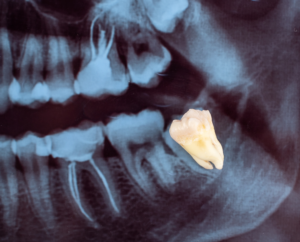
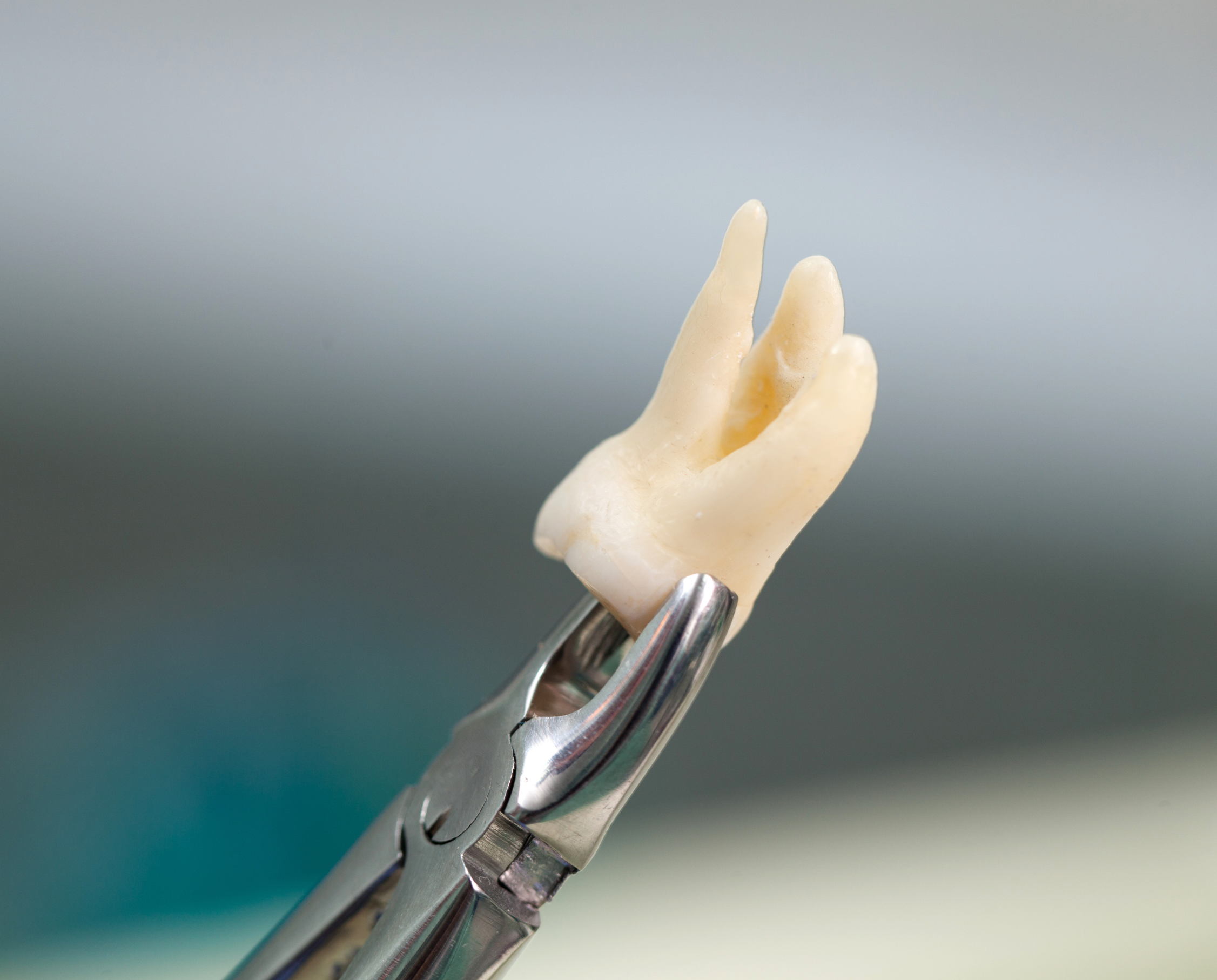
Wisdom teeth, also known as third molars, are the last teeth to develop. They usually appear between the ages of 17 and 25.
Historically, wisdom teeth helped our ancestors chew tougher foods. As our teeth wore down from all the rough foods these extra teeth would come through to take the load. Today, modern soft diets and smaller jaw development mean many people simply do not have enough room for them to erupt properly.
When there is insufficient space, wisdom teeth can become impacted, partially erupted, or trapped beneath the gum and bone.
1. Persistent Pain at the Back of Your Mouth
One of the most common signs that a wisdom tooth may need removing is ongoing pain or discomfort at the back of your mouth.
You might notice:
- Dull aching pain
- Sharp pain when chewing
- Tenderness around the gum
- Pain radiating into the jaw or ear
Pain often occurs because the wisdom tooth is pushing against neighbouring teeth, becoming infected, or trapped beneath the gum.[4]
A biological dentist will assess the cause of the pain rather than simply treating symptoms.
2. Swollen or Inflamed Gums

When a wisdom tooth only partially erupts, a flap of gum tissue can form over the tooth. This creates an ideal environment for bacteria to accumulate, leading to a condition called pericoronitis. [2]
Signs include:
- Swollen gums
- Redness
- Bleeding
- Bad taste in the mouth
- Difficulty chewing
Without treatment, infection can spread into surrounding tissues and become more serious.
3. Recurrent Infections
If you experience repeated infections around a wisdom tooth, removal may be the healthiest long-term option.
Symptoms can include:
- Facial swelling
- Pus around the tooth
- Fever
- Swollen lymph nodes
- Difficulty opening your mouth
From a holistic perspective, chronic oral infections can contribute to systemic inflammation and place additional burden on the immune system.
Maintaining a healthy mouth supports overall wellbeing, which is why biological dentists carefully assess any ongoing sources of infection alongside our dental hygienists.
4. Bad Breath That Doesn’t Improve
Persistent bad breath (halitosis) can sometimes be linked to wisdom teeth. Partially erupted wisdom teeth often create hard-to-clean pockets where food debris and bacteria accumulate.
Even with excellent brushing and flossing, bacteria trapped around impacted wisdom teeth may continue producing unpleasant odours. If you notice persistent bad breath despite good oral hygiene, your wisdom teeth should be evaluated.
5. Crowding of Other Teeth
Many patients worry that wisdom teeth will cause their front teeth to become crooked.
The scientific evidence on this is mixed. However, wisdom teeth can sometimes place pressure on adjacent teeth and contribute to crowding or changes in alignment.
This may be particularly relevant if you have:
- Previously had orthodontic treatment
- Worn braces
- Completed Invisalign treatment
A comprehensive assessment including digital imaging can determine whether wisdom teeth are affecting your bite or alignment.
6. Difficulty Cleaning Around the Tooth
Wisdom teeth are located at the very back of the mouth, making them difficult to clean effectively. If plaque accumulates around these teeth, you may be at increased risk of:
- Tooth decay
- Gum disease
- Infection
- Bone loss
Many wisdom teeth develop cavities that cannot be predictably restored because of their position.
When long-term maintenance is unlikely, removal may be the most biologically sensible option.
7. Damage to Neighbouring Teeth
An impacted wisdom tooth can sometimes push against the second molar in front of it. This pressure may cause:
- Tooth decay
- Root resorption
- Bone loss
- Gum pockets
Often patients are unaware this damage is occurring until it appears on an X-ray or CBCT scan.
Early diagnosis can prevent more extensive treatment later.
8. Cysts or Hidden Pathology
Although less common, impacted wisdom teeth can occasionally be associated with cyst formation. These cysts can gradually expand and damage surrounding bone and teeth.
For this reason, wisdom teeth should be monitored regularly using appropriate imaging.
At Optimal Dental Health, we often utilise low-dose digital radiography and CBCT imaging when clinically indicated to assess impacted wisdom teeth thoroughly.
A Holistic Approach to Wisdom Tooth Removal
Many patients seeking a biological dentist in London want to understand whether wisdom tooth extraction can be performed in a more holistic way.
At Optimal Dental Health, our philosophy focuses on supporting the body’s natural healing processes wherever possible.
Depending on your individual needs, your treatment may include:
- Comprehensive assessment before treatment
- Adrenaline-free local anaesthetic options where appropriate
- Ozone therapy to support disinfection
- Minimally invasive extraction techniques
- PRF (Platelet Rich Fibrin) therapy to support healing
- Nutritional optimisation before and after surgery
- Personalised recovery guidance
Our goal is always to preserve health, reduce inflammation, and support optimal healing. You can find out what to expect at a new patient consultation here.
What Happens If You Ignore a Wisdom Tooth Problem?
Leaving a problematic wisdom tooth untreated may lead to:
- Repeated infections
- Chronic gum inflammation
- Damage to neighbouring teeth
- Tooth decay
- Bone loss
- Jaw pain
- Facial swelling
- More complex surgery later
Not every wisdom tooth needs removing, but ongoing symptoms should never be ignored.
When Should You See a Holistic Dentist?
You should arrange an assessment if you experience:
- Pain around a wisdom tooth
- Swelling or infection
- Bad breath that won’t improve
- Difficulty cleaning the area
- Jaw discomfort
- Repeated gum inflammation
- Concerns about impacted wisdom teeth
Early assessment allows us to identify problems before they become more serious.
Frequently Asked Questions
Do all wisdom teeth need to be removed?
No. Many wisdom teeth remain healthy and functional throughout life. Removal is usually recommended only when there is evidence of disease, infection, damage, pain, or a significant future risk.
Can wisdom teeth cause headaches?
Yes. Impacted or infected wisdom teeth can sometimes contribute to jaw tension, muscle strain, and referred pain that may feel like headaches.
Is wisdom tooth removal painful?
The procedure itself should not be painful because local anaesthetic is used. Some discomfort is normal during healing, but this can usually be managed effectively with appropriate aftercare.
What is the recovery time after wisdom tooth extraction?
Most people return to normal activities within a few days. Complete healing of the socket takes longer and varies depending on the complexity of the extraction.
Can wisdom teeth affect overall health?
Chronic oral infections and inflammation can contribute to wider health concerns. Maintaining oral health is an important part of supporting whole-body wellbeing.
What is a biological dentist’s approach to wisdom tooth removal?
A biological dentist focuses on preserving health, reducing inflammation, supporting healing, using biocompatible materials where appropriate, and considering the connection between oral and overall health. We use ozonate therapy and make sure we thoroughly remove the periodontal ligament so the are can properly heal. We also review to make bone healed and less risk of cavitations.
Can impacted wisdom teeth cause bad breath?
Yes. Food and bacteria can become trapped around partially erupted wisdom teeth, creating persistent bad breath and unpleasant tastes.
Do wisdom teeth always need surgery?
No. Some wisdom teeth can be removed with a simple extraction, while others require a surgical approach. This depends on their position and level of impaction. [3]
Book a Wisdom Tooth Assessment in London
If you are concerned about your wisdom teeth, our team at Optimal Dental Health can provide a comprehensive holistic assessment.
As a leading holistic dentist and biological dentist in London, we take time to understand your symptoms, review your imaging, and help you make an informed decision about your oral health.
Optimal Dental Health
1 Melcombe Street, London NW1 6AE
Bookings can be made online at www.optimaldentalhealth.co.uk, by calling 0203 921 1000, or by emailing our team directly at hello@optimaldental.co.uk
About the Author

Dr James Goolnik
Founder & Biological Dentist, Optimal Dental Health
Dr James Goolnik is one of the UK’s leading holistic dentists and the founder of Optimal Dental Health in London. With over 30 years of clinical experience, he has a special interest in biological dentistry, oral-systemic health, airway-focused care, SMART amalgam removal, biocompatible dentistry, and helping patients understand the connection between oral health and overall wellbeing.
Dr Goolnik lectures internationally on holistic dentistry and is committed to providing evidence-based, patient-centred care that supports both oral and whole-body health.