Oral Care During Chemotherapy: Managing Mouth Ulcers, Dry Mouth and Dental Health
Cancer treatment can affect many areas of the body, including the mouth.
If you’re undergoing chemotherapy, you may experience symptoms such as mouth ulcers, oral soreness, dry mouth, bleeding gums, changes in taste or increased sensitivity. While these symptoms can be uncomfortable, there are practical steps that may help support your oral health before, during and after treatment.
At Optimal Dental Health in Marylebone, London, we believe oral health is an important part of overall wellbeing. While we do not diagnose or treat cancer, we work alongside you and your wider healthcare teams to help maintain oral health throughout treatment.
If you are preparing for chemotherapy, are currently undergoing treatment, or are supporting a loved one through cancer care, understanding how chemotherapy can affect the mouth can help you feel more informed and confident.
Why Does Chemotherapy Affect the Mouth?
Chemotherapy targets rapidly dividing cells. While this helps treat cancer, it can also affect healthy cells, including those that line the mouth.
As a result, some people may experience:
- Mouth ulcers
- Oral mucositis
- Dry mouth
- Increased sensitivity
- Changes in taste
- Gum inflammation
- Higher risk of oral infection
The severity of symptoms varies from person to person. You may notice very mild changes, while others may experience significant discomfort.
According to the National Cancer Institute (NCI), oral complications are among the most common side effects of cancer therapy and may include mucositis, infections, dry mouth, taste changes and oral pain. [1]
What Is Oral Mucositis?
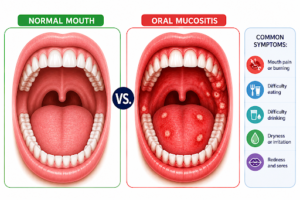
Oral mucositis is one of the most common oral side effects of chemotherapy. It occurs when the lining of the mouth becomes inflamed, irritated or ulcerated. This can make eating, drinking, speaking and brushing your teeth uncomfortable.
Symptoms may include:
- Redness inside the mouth
- Tender or swollen tissues
- White patches
- Mouth ulcers
- Burning sensations
- Difficulty swallowing
If symptoms become severe, it is important to contact your oncology team promptly.
Oral mucositis is one of the most frequently reported oral complications of chemotherapy and can significantly affect eating, speaking, swallowing and quality of life. International MASCC/ISOO guidelines recognise oral mucositis as a major toxicity associated with cancer treatment. [2]
Common Mouth Problems During Chemotherapy
Mouth Ulcers During Chemotherapy
Chemotherapy-related mouth ulcers can develop several days after treatment begins and may affect the lips, cheeks, tongue, roof of the mouth or throat.
Ulcers can range from mild irritation to painful lesions that make eating and drinking difficult.
Dry Mouth (Xerostomia)
Dry mouth is another common concern during chemotherapy. Saliva helps lubricate oral tissues, neutralise acids and support the natural balance of the oral microbiome. Reduced saliva flow can increase the risk of tooth decay, oral discomfort and infection. [3]
Saliva plays a crucial role in protecting the teeth, gums and oral tissues. When saliva production decreases, you may notice:
- Increased thirst
- Sticky saliva
- Difficulty swallowing
- Bad breath
- Higher risk of tooth decay
Bleeding or Sensitive Gums
You may experience increased gum sensitivity or bleeding during treatment. This can make oral hygiene feel more challenging, but maintaining gentle oral care remains extremely important.
Changes in Taste
Foods may taste metallic, bitter or different than usual. Although often temporary, taste changes can affect appetite and nutrition. If you are worried about nutrition, our in-house nutritionist, Zara Stella is on-hand to support you.
Should You See a Dentist Before Chemotherapy or Cancer Treatment?
The National Cancer Institute recommends that patients undergoing chemotherapy receive an oral assessment whenever possible before treatment begins. Identifying and stabilising dental disease early may help reduce the risk of complications during cancer therapy. [4]
A dental examination before treatment begins may help identify and address issues that could become more problematic during chemotherapy.
A dentist may check for:
- Tooth decay
- Gum disease
- Broken teeth
- Existing infections
- Poorly fitting dentures
- Sharp restorations
- Areas of irritation
At Optimal Dental Health, our comprehensive Dental Health Check allows us to assess your oral health and discuss any upcoming medical treatment so we can provide personalised guidance.
Oral Care During Chemotherapy: Practical Tips
Use a Soft Toothbrush
Choose a soft-bristled toothbrush and brush gently twice daily. If brushing becomes uncomfortable, speak with your oncology team or dentist for individual advice.
Consider an SLS-Free Toothpaste
Many people with oral mucositis find that sodium lauryl sulphate (SLS) can increase irritation. An SLS-free toothpaste may feel gentler when the mouth is sensitive. A hydroxyapatite toothpaste could be more beneficial.
Keep Your Mouth Hydrated
Staying hydrated is particularly important during chemotherapy. Frequent sips of water throughout the day may help reduce discomfort associated with dry mouth.
Avoid Irritating Foods
When ulcers are present, consider reducing spicy foods, acidic foods, very hot drinks and sharp, crunchy foods. Many patients find softer, cooler foods easier to tolerate.
Clean Between the Teeth
Plaque and bacteria can still accumulate between the teeth. If tolerated, gentle flossing or interdental cleaning may help maintain gum health.
The Importance of Gum Health During Cancer Treatment
Healthy gums play an important role in maintaining a healthy oral environment. Gum inflammation may increase discomfort during treatment and can make daily oral care more difficult.
At Optimal Dental Health, our holistic approach focuses on prevention, personalised care and supporting healthy oral tissues through every stage of life.
Our Holistic Approach to Oral Health
As a holistic dentist in London, we consider how oral health fits into wider wellbeing.
Our philosophy includes:
- Prevention-first dentistry
- Personalised oral health plans
- Minimally invasive care where appropriate
- Nutritional guidance
- Oral microbiome awareness
- Collaboration with wider healthcare professionals
We understand that every journey is unique and aim to provide calm, supportive and compassionate care.
Dental Care for Cancer Patients in London
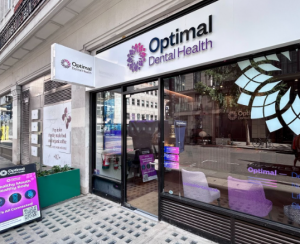
Dental care for people undergoing chemotherapy in London, our team can provide:
- Comprehensive oral health assessments
- Gum health monitoring
- Advice on dry mouth management
- Monitoring of oral soft tissues
- Biomarker testing
- Personalised oral hygiene recommendations
- Preventive dental care
We are conveniently located in Marylebone, just a short walk from Baker Street Station, making us easily accessible from across London.
Frequently Asked Questions
Can chemotherapy cause mouth ulcers?
Yes. Chemotherapy can sometimes cause mouth ulcers and oral mucositis due to its effects on rapidly dividing cells in the lining of the mouth.
Should I visit a dentist before chemotherapy?
Yes. National Cancer Institute guidance recommends an oral assessment before chemotherapy whenever possible, allowing potential sources of infection, irritation or dental disease to be identified and managed before treatment begins.
What is oral mucositis?
Oral mucositis is inflammation and ulceration of the lining of the mouth that can occur during chemotherapy or radiotherapy.
How can I help a dry mouth during chemotherapy?
Staying hydrated, using recommended products and seeking professional advice may help manage dry mouth symptoms. Maintaining hydration and a consistent oral care routine may help improve comfort and support oral tissues during treatment. Oral care protocols are widely recommended within cancer supportive care pathways.
Can I have dental treatment during chemotherapy?
Some dental treatment may be possible, but decisions should always be made in consultation with your oncology team and dentist.
Supporting Your Oral Health Throughout Treatment
Chemotherapy can be challenging, but taking a proactive approach to oral health may help improve comfort and identify problems early.
At Optimal Dental Health, we provide supportive, personalised dental care, before, during and after cancer treatment.
Book a Consultation
If you would like advice regarding oral care during chemotherapy, our team is here to help.
Optimal Dental Health
1 Melcombe Street
Marylebone
London NW1 6AE
Just a short walk from Baker Street Station.
Call 0203 921 1000 or book online at www.optimaldentalhealth.co.uk.
Please also share any relevant medical records or recommendations from your oncology team ahead of your appointment so we can assist as thoroughly as possible.
About the Author
Dr James Goolnik BDS is the Clinical Director and Founder of Optimal Dental Health, a leading holistic dental practice based in Marylebone, London.
With over 30 years of clinical experience, Dr Goolnik has a particular interest in preventive dentistry, gum health, biological dentistry, oral-systemic health and helping patients achieve long-term oral wellbeing through minimally invasive, evidence-informed care.
Dr Goolnik is internationally recognised for his commitment to advancing oral health education and has undertaken extensive postgraduate training in preventive and holistic approaches to dentistry. He regularly lectures on topics including oral health optimisation, the oral microbiome, airway health, nutrition and the relationship between oral health and overall wellbeing.
As Clinical Director of Optimal Dental Health, Dr Goolnik works closely with patients facing complex health challenges, including those undergoing medical treatments such as chemotherapy, helping them maintain oral health and comfort throughout their healthcare journey.
This article has been written and clinically reviewed by Dr James Goolnik to help provide accurate, evidence-based information about oral health during chemotherapy. However, it is intended for educational purposes only and should not replace personalised advice from your oncologist, cancer care team, GP or dental professional.
To learn more about Dr Goolnik and his approach to holistic dentistry, visit Optimal Dental Health or book a consultation with our team in Marylebone, London.