Knocked-Out Tooth? What To Do Immediately and How to Save Your Tooth
A knocked-out tooth can be one of the most frightening dental emergencies. Whether it happens during sport, a fall, an accident, or unexpectedly during everyday life, the shock, bleeding, pain, and panic can leave people unsure what to do next.
In those first few moments, many people worry that they may permanently lose their tooth, require an implant, or face lasting damage to their smile and oral health. The good news is that, in many situations, a knocked-out tooth can be successfully saved, but immediate action is incredibly important.
At Optimal Dental Health in London, we regularly support patients experiencing dental trauma using a holistic, minimally invasive, evidence-based approach. Knowing exactly what to do in the minutes following the injury can dramatically improve the chances of preserving the natural tooth and supporting healthy long-term healing.
This guide explains how to manage a knocked-out tooth safely, what treatment may involve, and how holistic dentistry can support recovery after dental trauma.
What Is a Knocked-Out Tooth?
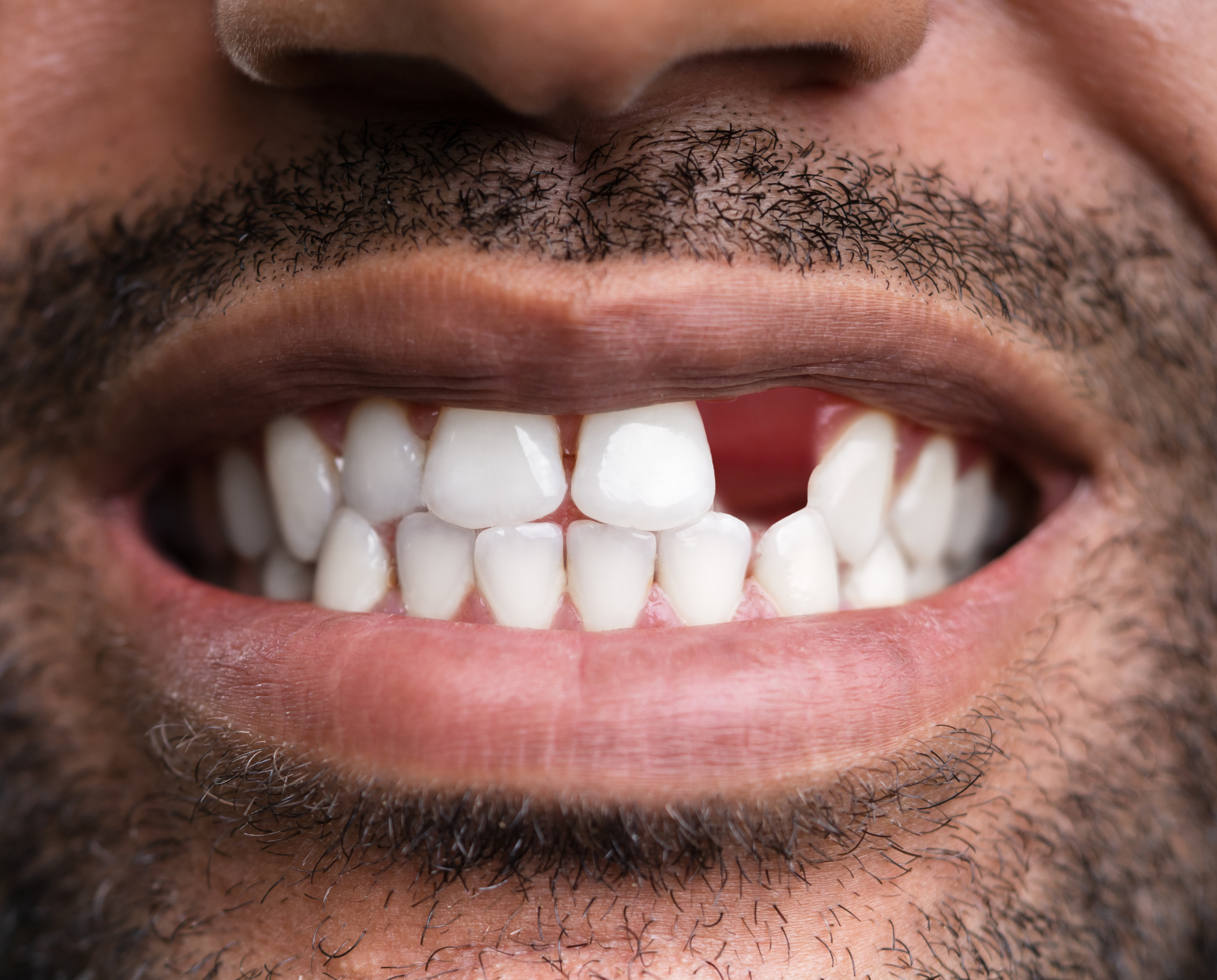
A knocked-out tooth, medically known as a tooth avulsion, occurs when a tooth is completely displaced from its socket following trauma. This differs from a chipped, cracked, or loose tooth because the entire tooth, including the root, has come out of the mouth.
This type of injury is considered a genuine dental emergency because the delicate tissues surrounding the root begin to deteriorate quickly once exposed to air. The periodontal ligament cells attached to the root are particularly important, as they play a major role in determining whether the tooth can successfully heal after reimplantation.
Common Causes of Knocked-Out Teeth
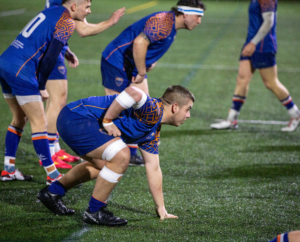
Knocked-out teeth are most commonly caused by:
- sports injuries
- falls and accidents
- cycling or scooter injuries
- contact sports without a mouthguard
- physical trauma to the face
- children tripping or falling while playing
Aside from the physical injury itself, dental trauma often creates significant emotional stress. Many patients arrive feeling anxious, distressed, embarrassed, or overwhelmed. It is completely normal to worry about whether the tooth can be saved, how the smile will look afterwards, whether treatment will be painful, or if there could be longer-term consequences for oral health.
At Optimal Dental Health, we understand that trauma affects far more than just the tooth itself. Dental injuries can impact confidence, nutrition, sleep, speech, nervous system regulation, facial aesthetics, and overall wellbeing. Our approach therefore focuses not only on emergency treatment, but also on supporting long-term healing and whole-body recovery.
What To Do Immediately After a Tooth Is Knocked Out
The first 30 minutes after a tooth is knocked out are extremely important. The sooner the tooth can be protected and repositioned, the greater the chance of preserving it successfully.
If the tooth has come out completely, try to remain as calm as possible and carefully pick it up by the crown (the top), which is the white chewing surface. Avoid touching the root, as the delicate fibres attached to it are essential for healing.
If the tooth is dirty, gently rinse it using saline solution or milk. It is important not to scrub the tooth, use soap, dry it, or wrap it in tissue, as this can damage the living cells needed for successful reattachment.
If possible, the tooth should be gently placed back into the socket, ensuring it faces the correct direction. Biting softly onto clean gauze or cloth can help stabilise it temporarily. If reinsertion is not possible, the tooth must be kept moist (in milk) until professional care is available.
Quick Emergency Steps
If a tooth has been knocked out:
- pick it up by the crown, not the root
- rinse gently with milk or saline if dirty
- try to place it back into the socket
- keep it moist at all times (in milk if possible)
- seek emergency dental care immediately
What Is the Best Way to Store a Knocked-Out Tooth?
One of the biggest mistakes people make after dental trauma is allowing the tooth to dry out. Research shows that the storage medium used for an avulsed tooth has a significant impact on the success of reimplantation. [1]
Milk is widely considered one of the best easily accessible storage mediums because it helps preserve living cells on the root surface. Sterile saline solution is also highly effective. In some cases, adults and older children may carefully hold the tooth inside the mouth between the cheek and gums to keep it moist, although this is not suitable for younger children due to the risk of swallowing.
Research has also shown that specialist tooth preservation kits can maintain the viability of an avulsed tooth for extended periods before reimplantation. [2]
Best Storage Options for a Knocked-Out Tooth
The most effective storage mediums include:
- cold milk
- sterile saline solution
- specialised tooth preservation kits
- saliva inside the mouth (for adults only)
The tooth should never be:
- scrubbed
- wrapped in tissue
- allowed to dry out
- stored in water for prolonged periods
Even if the injury appears severe, it is still worth seeking emergency dental treatment immediately, as many teeth can still be successfully managed with appropriate care.
How Quickly Should You See an Emergency Dentist?
Ideally, emergency dental treatment should begin within 30 minutes of the injury. However, every case is different, and even delayed treatment may still allow the tooth to be saved.
At Optimal Dental Health, we assess each dental trauma case individually using a comprehensive protocol designed to support the best possible long-term outcome for both oral health and overall wellbeing.
Emergency Knocked-Out Tooth Treatment at Optimal Dental Health London
At our holistic dental practice in Baker Street, London, we take a minimally invasive and biologically focused approach to emergency dental trauma.
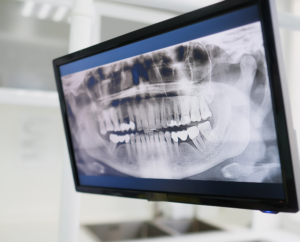
The first step is always a comprehensive assessment of the injured area. This includes examining the tooth, surrounding bone, gum tissues, bite function, jaw alignment, and any possible nerve involvement or facial trauma. Digital imaging may also be used where appropriate.
In more complex trauma cases, advanced digital imaging such as CBCT scans may be used to assess surrounding bone, root position, and hidden fractures in greater detail.
Once assessed, the socket is gently cleaned and the tooth is carefully repositioned into place. In many cases, a flexible splint is then used to stabilise the tooth while healing occurs. [3]
Follow-up care is equally important, as trauma can affect the tooth over time. Ongoing monitoring allows us to assess nerve vitality, healing, gum stability, bite function, and the long-term integration of the tooth.
Knocked-Out Teeth in Children

Dental injuries in children are extremely common, particularly during sports, play, and falls.
If a baby tooth has been knocked out, it is important not to attempt to place it back into the socket, as this may damage the developing adult tooth underneath.
If an adult tooth has been knocked out in a child, immediate action is still critical. Keeping the tooth moist and seeking emergency dental care quickly can significantly improve the chances of saving it. Our specialist peadiatric dentist Dr Sara Johnstone is on hand to support should your child need emergency dental treatment.
A Holistic Approach to Dental Trauma Recovery
At Optimal Dental Health, we believe successful recovery involves supporting the whole person, not simply treating the injured tooth.
Dental trauma can create inflammation, tissue damage, immune responses, nervous system stress, and emotional anxiety. Our holistic philosophy therefore focuses on supporting the body’s natural healing mechanisms alongside conventional emergency treatment.
Nutrition plays a significant role in tissue repair and immune regulation. Depending on the patient’s needs, guidance may include support around:
- vitamin C
- vitamin D
- hydration
- anti-inflammatory nutrition
Ozone therapy may also be used as part of a holistic dental protocol to support healing and reduce bacterial load in a minimally invasive way.
Because trauma can sometimes affect jaw alignment, muscle tension, TMJ function, and even breathing patterns, we also assess the wider functional relationships within the mouth and body to help minimise longer-term complications.
What Happens If the Tooth Cannot Be Saved?
Despite best efforts, there are situations where a tooth may not survive long-term. This can occur due to prolonged dry storage, severe trauma, root damage, delayed treatment, or infection.
If replacement becomes necessary, we offer holistic restorative options including ceramic implants, biocompatible restorations, minimally invasive rehabilitation, and aesthetic smile restoration. Every recommendation is tailored carefully to the individual patient and their wider health goals.
When Should You Go to A&E for Dental Trauma?
While many knocked-out teeth can be treated by an emergency dentist, some injuries require urgent medical attention. You should seek immediate emergency medical care if the injury involves:
- heavy uncontrolled bleeding
- loss of consciousness
- suspected jaw fracture
- facial swelling affecting breathing
- severe head injury
- dizziness or confusion following trauma
For isolated dental injuries, seeing an emergency dentist as quickly as possible is usually the most appropriate next step.
Long-Term Risks of Untreated Dental Trauma
Without proper treatment, a knocked-out tooth injury can lead to:
- bone loss
- infection
- gum recession
- shifting teeth
- bite imbalance
- jaw dysfunction
- chronic inflammation
- aesthetic concerns
This is why prompt professional assessment with a holistic dentist in London is so important, even if pain initially appears manageable.
Preventing Future Dental Trauma
Preventing dental trauma often involves a combination of protection, early assessment, and maintaining strong oral health. Wearing a properly fitted mouthguard during contact sports or high-risk activities can significantly reduce the likelihood of serious injuries.
Regular dental examinations are also important because they help identify weakened teeth, bite imbalances, jaw strain, and underlying issues before they become more significant problems.
Maintaining healthy teeth and gums through good oral hygiene and preventive care can also improve resilience to injury over time.
Frequently Asked Questions About Knocked-Out Teeth
Can a knocked-out adult tooth be saved?
Yes. Many knocked-out adult teeth can be successfully replanted, especially when treatment happens quickly after the injury.
How long can a tooth survive outside the mouth?
The best outcomes generally occur when the tooth is replanted within 30 minutes, although delayed treatment may still be successful in some situations.
Should I store the tooth in water?
No. Milk or saline are preferred because they better preserve the living cells attached to the root.
Is a knocked-out tooth always painful?
Not necessarily. Adrenaline and shock can temporarily reduce pain immediately after trauma.
Can baby teeth be replanted?
Primary baby teeth are usually not replanted because this may risk damage to the developing adult tooth underneath.
What if the tooth looks dirty?
The tooth should only be rinsed gently. Scrubbing the root surface can reduce the chances of successful healing.
Why Seek Professional Care After Reinserting a Knocked-Out Tooth?
Yes. Professional stabilisation and assessment are still essential to maximise healing and reduce complications.
Can holistic dentistry help after dental trauma?
Absolutely. Holistic dentistry focuses not only on the tooth itself, but also on inflammation, healing, nervous system support, biocompatibility, and long-term whole-body wellbeing.
Why Patients Choose Optimal Dental Health for Emergency Dental Care
Many patients come to Optimal Dental Health because they are looking for a more comprehensive and health-focused approach to emergency dentistry. Our patients often value:
- minimally invasive treatment
- biocompatible materials
- holistic support
- whole-body health considerations
- a calm and supportive environment during stressful situations
We understand how overwhelming dental trauma can feel and aim to provide compassionate, evidence-based care that supports both oral health and overall wellbeing.
If you have experienced a knocked-out tooth or dental trauma, we offer emergency dental appointments in London and will always do our best to see urgent cases as quickly as possible.
Call 020 3921 1000 or email hello@optimaldental.co.uk for immediate support.
About the Author: Dr James Goolnik

Dr James Goolnik is the Founder of Optimal Dental Health in London and is widely recognised as one of the UK’s leading holistic and mercury-safe dentists.
With decades of clinical experience, Dr Goolnik has built a reputation for combining advanced evidence-based dentistry with a whole-body health approach. He has extensive expertise in minimally invasive dentistry, SMART amalgam removal, biocompatible dental care, airway-focused dentistry, and integrative oral health protocols.
Dr Goolnik is also the only dentist in the UK trained in ReCODE 2.0, an advanced science-based programme focused on cognitive health optimisation and preventative brain health strategies.
Through clinical practice, teaching, and educational writing, Dr Goolnik continues to advocate for safer, biologically focused, patient-centred dentistry grounded in both modern science and holistic healthcare principles.