Bleeding Gums When Brushing: 7 Causes and Health Implications
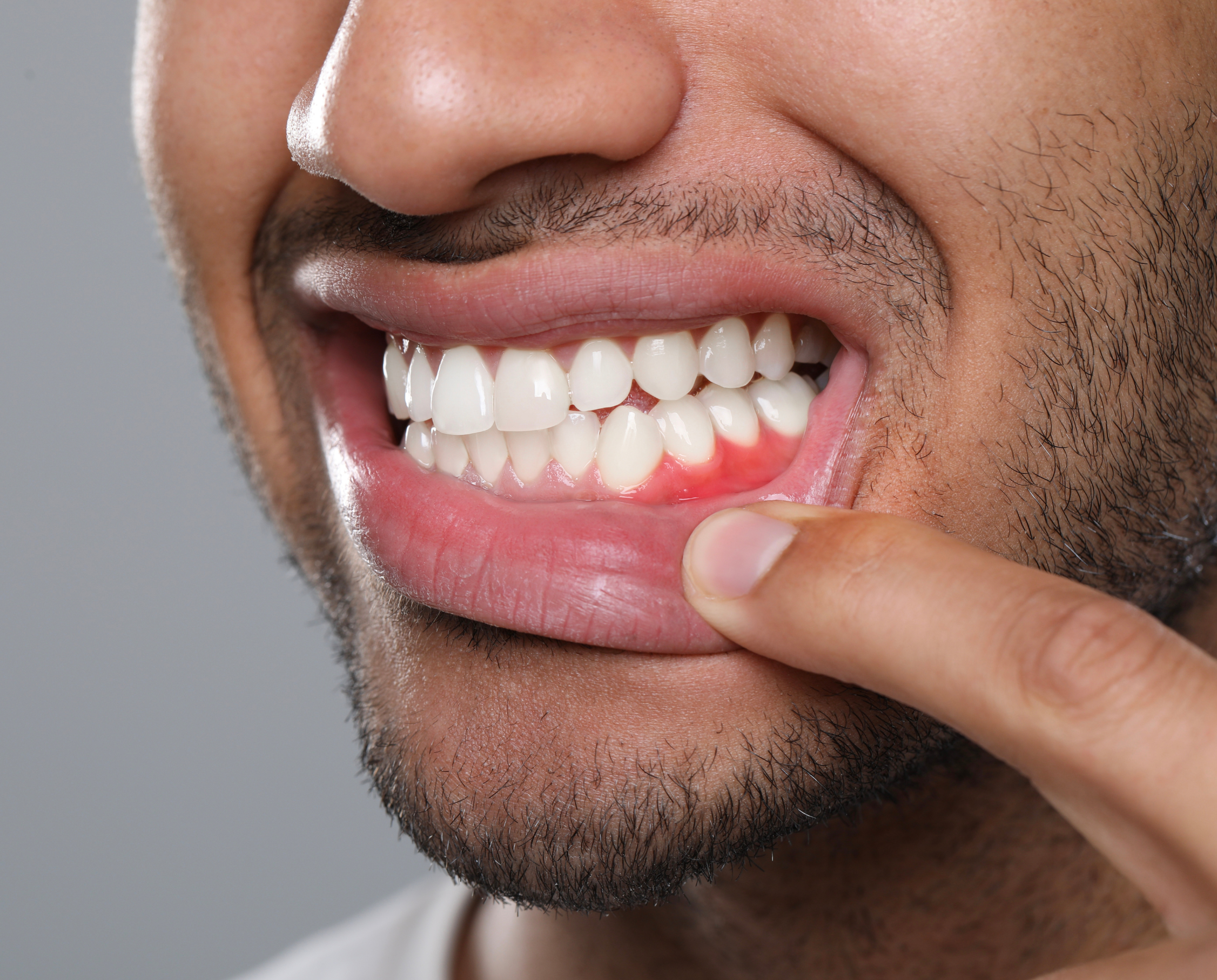
Bleeding gums when brushing? Bleeding gums when brushing are often a sign of inflammation rather than simply brushing too hard. While occasional bleeding can happen, persistent or frequent bleeding may indicate underlying oral or systemic health issues that shouldn’t be ignored.
In this article, we explore the seven common causes and what they might say about your overall health.
1. Plaque Buildup and Gingivitis
The most common cause of bleeding gums is plaque accumulation along the gumline. When plaque isn’t removed effectively, it irritates the gums, leading to gingivitis the earliest stage of gum disease. Inflamed gums become swollen, tender, and prone to bleeding, especially during brushing or flossing.
2. Brushing Technique and Toothbrush Type
Using a hard-bristled toothbrush or brushing too aggressively can damage delicate gum tissue. While this doesn’t usually cause ongoing inflammation, repeated trauma can make gums bleed and even recede over time. A softer approach with proper technique is key.
3. Flossing (or Not Flossing Enough)
If you’ve recently started flossing after a long break, some bleeding is common as your gums adjust. However, ongoing bleeding may indicate inflammation between the teeth due to plaque retention in areas your toothbrush cannot reach.
4. Smoking and Vaping
Smoking affects blood flow to the gums and alters the body’s immune response. Interestingly, smokers may notice less bleeding despite more severe gum disease because nicotine restricts blood vessels. When bleeding does occur, it can signal advanced inflammation and compromised healing.[1]
5. Mouth Breathing and Dry Mouth
Breathing through your mouth, especially at night, can dry out the gums, making them more vulnerable to irritation and inflammation. A dry oral environment also encourages plaque buildup, which further contributes to gum bleeding.
6. Hormonal Changes
Hormonal fluctuations during pregnancy, menstruation, or menopause can increase gum sensitivity. This can make gums more reactive to plaque, leading to bleeding even with otherwise good oral hygiene habits.
7. Systemic Health Conditions (e.g., Diabetes)
Bleeding gums can sometimes reflect broader health concerns. For example, diabetes affects the body’s ability to manage inflammation and fight infection, increasing the risk of gum disease. In fact, gum inflammation and blood sugar levels are closely linked, each can worsen the other. [2]
When Bleeding Gums Are Not “Normal”
While occasional, mild bleeding may happen, consistent bleeding is not something to ignore. Warning signs include:
- Bleeding that persists for more than a week
- Swollen, red, or tender gums
- Bad breath (not just a one off) or a persistent unpleasant taste
- Gum recession or loose teeth
These symptoms may indicate progression from gingivitis to periodontitis, a more serious condition that can affect both oral and overall health.
What Your Gums May Be Saying About Your Overall Health
Your gums are not separate from the rest of your body, they are a window into systemic health.
- Inflammation: Chronic gum inflammation contributes to overall inflammatory burden in the body, which is linked to heart disease and other chronic conditions.
- Diabetes Risk: Gum disease can make blood sugar harder to control, and uncontrolled diabetes increases gum disease risk, a two-way relationship.
- Smoking Impact: Smoking masks symptoms while worsening disease progression, making early detection more difficult.
- Mouth Breathing: Often linked to airway or sleep issues, chronic mouth breathing can affect both oral and general health.
- Plaque Retention: Persistent plaque buildup reflects not just hygiene habits but also diet, saliva quality, and even stress levels.
A holistic perspective looks at these factors together rather than treating gum bleeding as an isolated issue.
What Tests May Help Identify the Cause?
If bleeding gums persist, a deeper assessment may be needed. Depending on your situation, this could include:
- Comprehensive periodontal examination: Measuring gum pocket depths and checking for bone loss
- Salivary diagnostics: Assessing bacterial composition and oral microbiome balance
- Blood tests: Screening for conditions such as diabetes or nutrient deficiencies (e.g., Diabetes, vitamin D)
- Airway and breathing assessment: Identifying mouth breathing or sleep-disordered breathing patterns
- Lifestyle evaluation: Looking at diet, stress, and smoking habits
A holistic dental approach integrates these findings to understand root causes rather than just symptoms. You can find out more here.
When to See a Dentist Urgently
You should seek prompt dental care if you notice:
- Heavy or spontaneous gum bleeding
- Pain, swelling, or pus around the gums
- Loose teeth or shifting bite
- Bleeding accompanied by fatigue or unexplained health changes
These could indicate advanced gum disease or underlying systemic conditions that require immediate attention. Our holistic dentist London can also refer you to our biological dental hygienist, who can take a close look at the bacterial load using our phase-contrast microscope.
All biological hygiene treatments are prescribed after a 15-point dental health check with one of our dentists.
You can also access our hygiene care directly (without seeing a dentist first), please note, radiographs and x-rays are not included with direct access appointments. When diagnosing gum disease, it is best to have a full set of x-rays to assess any damage to the bone, which holds your teeth securely in place.
A Holistic Approach to Bleeding Gums
At Optimal Dental Health in London, we take a holistic and biological approach to gum health. Bleeding gums are not treated as an isolated dental issue, but as a potential sign of broader inflammation or imbalance in the body. We consider how oral health connects to the rest of your body. Treatment may involve:
- Gentle, personalised oral hygiene guidance
- Addressing diet and inflammation
- Supporting the oral microbiome
- Identifying breathing patterns and lifestyle factors
- Coordinating with medical professionals when needed
By understanding why your gums are bleeding, not just treating the symptoms, you can achieve more lasting, whole-body health.
Bleeding gums are your body’s way of signalling that something isn’t quite right. Whether it’s local irritation or a reflection of broader health imbalances, early attention and a holistic approach can make all the difference.
To book a 15-point dental health check at Optimal Dental Health, call our holistic team today on 020 3921 1000 or email hello@optimaldental.co.uk. You can also book your appointment using our online booking system here.
FAQs: Bleeding Gums When Brushing
Is it normal for gums to bleed when brushing?
Occasional light bleeding can happen, especially if you have recently started flossing or changed your brushing routine. However, gums should not bleed regularly. Persistent bleeding is usually a sign of inflammation, most commonly gingivitis or early gum disease.
What is the most common cause of bleeding gums when brushing?
The most common cause is plaque buildup along the gumline. When plaque is not removed effectively, it irritates the gums and leads to gingivitis, the earliest stage of gum disease.
Can bleeding gums heal on their own?
In early cases such as mild gingivitis, improving oral hygiene can often reverse symptoms. However, if bleeding continues for more than a week or worsens, professional dental treatment is needed to prevent progression to periodontitis.
Are bleeding gums a sign of serious disease?
They can be. While most cases are caused by local gum inflammation, bleeding gums can also be linked to systemic conditions such as diabetes, vitamin deficiencies, or immune-related issues.
How can I stop my gums from bleeding when brushing?
Switching to a soft-bristled toothbrush, improving brushing technique, flossing daily, and visiting a dentist for a professional cleaning can significantly reduce bleeding. Persistent symptoms should always be assessed by a dental professional.
About The Author: Dr James Goolnik

This article has been reviewed by Dr James Goolnik, a leading holistic dentist in London with over 30 years of clinical experience in preventive and biological dentistry.
Dr Goolnik specialises in the relationship between gum health and systemic conditions such as inflammation, cardiovascular disease, and diabetes. His approach focuses on identifying root causes of bleeding gums rather than simply treating surface symptoms.
Clinical approach
At our holistic dental clinic, we assess bleeding gums using a combination of:
- Comprehensive periodontal examination
- Oral microbiome analysis where appropriate
- Assessment of diet, lifestyle, and breathing patterns
- Evaluation of systemic health factors such as blood sugar control and inflammation
Last reviewed
This article was last reviewed in April 2026 to ensure clinical accuracy and alignment with current dental health guidance.