Is Tongue Scraping Worth It? Benefits for Bad Breath, Coating and Oral Health
Tongue scraping has become a popular part of modern oral care, especially for people looking to reduce bad breath and remove tongue coating naturally. But does it actually improve oral health, or is it just another wellness trend? In this article, we look at what tongue scraping is, what the science says, and how to use it safely as part of a healthy daily routine.
One practice that has quietly moved from niche to mainstream is tongue scraping. Once associated primarily with Ayurvedic traditions, it is now widely discussed in modern wellness circles and frequently recommended as part of a daily oral care routine.
What Is Tongue Scraping?
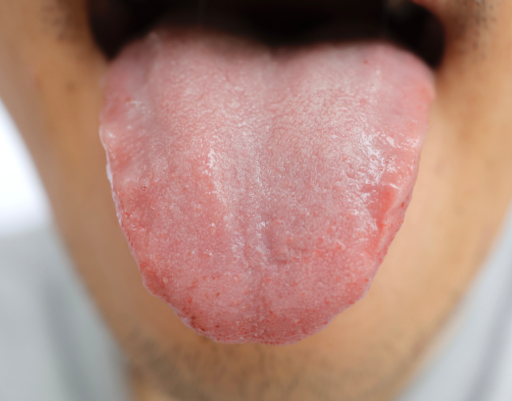
Tongue scraping is a simple technique that involves using a specially designed tool to remove the coating that forms on the surface of the tongue. This coating is made up of bacteria, food debris, dead cells, and by-products of digestion.
Even in individuals with otherwise good oral hygiene, the tongue can harbour a significant amount of bacteria. Its textured surface creates an ideal environment for microbial buildup, particularly toward the back of the tongue.
Traditional oral hygiene tends to focus on teeth and gums, but the tongue plays an important role in the overall balance of the oral environment. This is one of the reasons tongue scraping has gained renewed attention.
Why Tongue Scraping Is Trending

Tongue scraping aligns closely with several broader wellness trends that have gained momentum in recent years.
First, there is growing awareness of the oral microbiome. Much like the gut, the mouth contains a complex ecosystem of bacteria that can influence not only oral health but also systemic health. As people become more interested in supporting beneficial bacteria and reducing harmful strains, practices like tongue scraping feel like a logical addition.
Second, there is a shift toward low-tox, non-chemical approaches to health. Tongue scraping is appealing because it does not rely on active ingredients, medicated rinses, or specialised formulations. It is a mechanical process that fits neatly into a minimalist routine.
Finally, it complements the idea of structured morning rituals. Many people are now building intentional routines that include hydration, breathwork, and mindful habits. Tongue scraping is quick, visible, and provides an immediate sense of cleanliness, making it easy to adopt and maintain.
Does Tongue Scraping Really Work?
Research consistently shows that tongue scraping can reduce the compounds responsible for bad breath, particularly volatile sulfur compounds. These compounds are produced by bacteria on the tongue and are a primary cause of halitosis.[1] By removing the coating where these bacteria reside, tongue scraping can lead to a noticeable improvement in your breath.
Studies also suggest that scraping may be more effective than simply brushing the tongue with a toothbrush when it comes to reducing this bacterial coating. The design of a scraper allows for more even pressure and better contact with the surface of the tongue.
However, beyond breath improvement, the evidence becomes less definitive. There is limited high-quality research demonstrating that tongue scraping has a significant long-term impact on conditions such as tooth decay or gum disease. While reducing bacterial load on the tongue may contribute positively to the oral environment, it is not a substitute for established preventive measures.
In short, tongue scraping is supported as a useful adjunct for improving oral cleanliness and breath, but it is not a standalone solution for maintaining oral health.
A Holistic Perspective on Tongue Health
From a holistic dental perspective, the mouth is not viewed in isolation. It is part of a broader system that includes digestion, immunity, and overall wellbeing.
The tongue, in particular, is often seen as a reflection of internal health. Changes in its appearance can sometimes indicate shifts in hydration, diet, or microbial balance.
Tongue scraping can therefore serve two purposes. Firstly, it helps to physically remove unwanted buildup. Secondly, it encourages individuals to become more aware of their oral health. Noticing changes in the tongue’s coating, colour, or texture can prompt earlier attention to underlying issues.
That said, balance is essential. The goal is not to eliminate all bacteria. A healthy oral microbiome depends on a diverse and balanced community of microorganisms. Overly aggressive cleaning, whether through excessive scraping or harsh products, may disrupt this balance.
How to Incorporate Tongue Scraping Safely
For those interested in adding tongue scraping to their routine, the technique is straightforward, but it should be done with care.A dedicated tongue scraper, typically made of stainless steel or copper, is recommended. These materials are durable, easy to clean, and allow for gentle, controlled pressure. You could always use a spoon from your kitchen!
The process involves placing the scraper toward the back of the tongue and gently drawing it forward. This should be repeated a few times, rinsing the scraper between passes. It is important to avoid applying too much pressure, particularly in the early stages, as the tongue is a sensitive tissue.
Timing also matters. Tongue scraping is most commonly performed in the morning, before eating or drinking. This is when overnight bacterial accumulation is at its highest.
Consistency is more beneficial than intensity. A gentle daily practice is far more effective, and safer, than occasional aggressive scraping.
Is Tongue Scraping Safe?
When performed correctly, tongue scraping is generally safe. However, there are some considerations to be aware of.
Excessive pressure can lead to irritation or small abrasions on the surface of the tongue. This not only causes discomfort but may also create an environment where bacteria can more easily enter the tissue.
There is also the question of microbiome balance. While removing excess buildup is beneficial, completely stripping the tongue of its natural coating is neither necessary nor advisable. The aim should be to reduce harmful accumulation while preserving a healthy microbial environment.
Individuals with existing oral conditions, such as ulcers or infections, should approach tongue scraping cautiously and seek professional advice if unsure.
Where Tongue Scraping Fits in Your Oral Care Routine
One of the most important points to emphasise is that tongue scraping is an addition, not a replacement.
Effective oral care still relies on well-established practices:
- Brushing twice daily with proper technique
- Cleaning between the teeth using floss or interdental brushes
- Attending regular dental check-ups and hygiene appointments London
Tongue scraping can enhance this routine, particularly for those concerned with breath or interested in a more comprehensive approach to oral hygiene. However, it should not be seen as a shortcut or an alternative to these foundational habits.
Final Thoughts: A Trend Worth Considering?
Tongue scraping occupies an interesting space between traditional practice and modern wellness trends. Its recent popularity may be driven by social media and lifestyle influencers, but its origins and basic principles are far from new.
The evidence suggests that it offers real, if modest, benefits. It can improve breath, reduce surface bacteria, and support a sense of oral cleanliness. Just as importantly, it encourages a more mindful approach to daily health.
For individuals seeking simple ways to refine their routine, it is a low-effort habit with minimal risk when done properly. However, it is most effective when viewed as part of a broader, balanced approach to oral and overall health.
In a culture that often searches for quick fixes, tongue scraping is a reminder that small, consistent actions can still play a meaningful role. Not because they promise dramatic transformation, but because they contribute quietly to long-term wellbeing.
To book a 15-point dental health check at Optimal Dental Health in Baker Street, call us today on 020 3921 1000 or email hello@optimaldental.co.uk. We can’t wait to meet you.
Dentist Recommended Tongue Scrapers
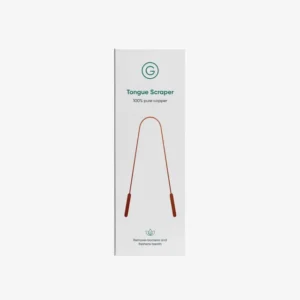
100% Copper Tongue Scraper – Gutology
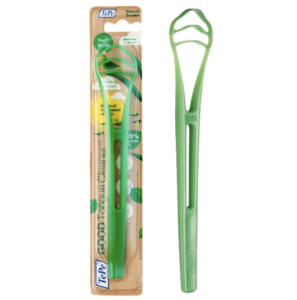
Tongue Scraper – TePe UK – £2.75
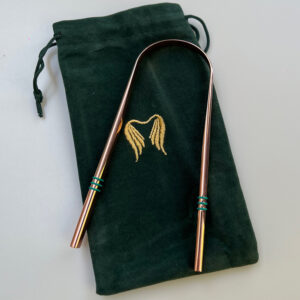
Copper Tongue Scraper – Tooth Angel – £9.99
About the Author: Dr James Goolnik
Dr James Goolnik is a London-based holistic dentist and founder of a leading practice on Baker Street. He is known for his integrative approach, combining advanced dental care with a focus on overall health and the oral microbiome.
An accredited member of the British Academy of Cosmetic Dentistry and the International Academy of Oral Medicine and Toxicology, Dr Goolnik has a particular interest in biocompatible and minimally invasive dentistry.
Through his clinical work and writing, he aims to provide clear, evidence-based guidance on modern wellness trends, helping patients make informed decisions about their oral and general health.