Stress Is Destroying Your Teeth (And You Don’t Even Know It)
Stress and Teeth: How It Could Be Damaging Your Smile
When people search for a “dentist near me”, they are usually thinking about cavities, check-ups, or cosmetic treatments. However, one of the most common issues dentists now see is something many patients never expect: stress-related dental damage.
During National Stress Awareness Month, it is worth recognising that chronic stress affects far more than mental wellbeing. Increasingly, dentists, particularly those practising holistic dentistry in London and across the UK, are seeing the physical effects of stress inside the mouth.
For many, visiting a dentist in Baker Street or central London, the first signs of chronic stress appear not in blood tests or mental health symptoms, but in tooth wear, jaw pain, and muscle tension. Up to 8–10% of people in the UK have bruxism (teeth grinding or clenching) at some point in their lives, according to UK dental sources on prevalence. [1]
Understanding how stress affects oral health can help you seek support earlier and protect both your teeth and overall wellbeing.
How Stress Affects Your Teeth

When the body experiences stress, the nervous system activates the “fight or flight” response. This is a natural biological reaction designed to protect us from danger. During this response, stress hormones such as cortisol and adrenaline increase. The body becomes more alert, heart rate rises, and muscles tighten throughout the body, including the jaw muscles.
If stress becomes chronic, this heightened state can persist for long periods of time. One of the most common physical consequences in the mouth is bruxism, the medical term for teeth clenching or grinding. Many who visit a holistic dentist in London are surprised to learn they have been grinding their teeth for years without realising it.
Bruxism may occur:
- During sleep (sleep bruxism)
- During the day, especially while concentrating or feeling anxious
- During periods of emotional strain
Because the forces generated during clenching can be extremely strong, sometimes stronger than chewing forces, the teeth can experience significant stress over time.
Long-Term Dental Damage Caused by Stress
If bruxism continues without treatment, the repeated pressure placed on the teeth and jaw can lead to several oral health issues. Dentists commonly observe:
Tooth Wear and Flattened Teeth
Grinding gradually wears down the enamel, the protective outer layer of the tooth. Over time, teeth may appear shorter or flattened.
Cracked or Fractured Teeth
Excessive pressure can create micro-fractures in the enamel, which may eventually lead to larger cracks or fractures requiring dental treatment.
Increased Tooth Sensitivity
As enamel becomes thinner, the underlying dentine layer becomes exposed, making teeth more sensitive to hot, cold, or sweet foods.
Jaw Pain and Headaches
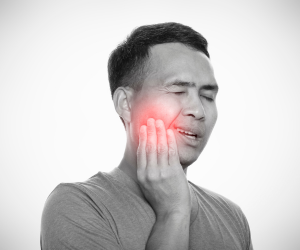
Chronic muscle tension in the jaw can lead to facial pain, tightness, and tension headaches.
Patients who search for a “dentist near me for jaw pain” often discover that stress-related grinding is the underlying cause.
Stress and TMJ Disorders
Stress can also contribute to problems affecting the temporomandibular joint (TMJ). The TMJ connects the lower jaw to the skull and allows the mouth to open, close, and move side to side. It is supported by a network of muscles, ligaments, and cartilage.
When the jaw muscles are under constant strain from clenching or grinding, the joint can become inflamed or irritated. This condition is known as temporomandibular joint disorder (TMD or TMJ disorder).
Symptoms may include:
- Clicking or popping sounds when opening the mouth
- Jaw stiffness or limited movement
- Pain around the ears or jaw joint
- Facial muscle fatigue
- Neck tension and headaches
Many patients seeking care from a holistic dentist in the UK choose a whole-body approach to TMJ treatment, addressing both dental factors and underlying stress.
Signs of Stress Your Dentist May Spot First
Interestingly, dentists often detect the effects of stress before patients notice symptoms themselves. During a routine examination, a dentist may identify subtle signs that indicate chronic clenching or muscle tension.
These signs can include:
Linea Alba
A thin white line along the inside of the cheek known as linea alba can develop when cheek tissue is repeatedly pressed against the teeth due to clenching. Although it is harmless, it often indicates ongoing jaw tension.
Tongue Scalloping (Tongue Faceting)
The tongue may develop scalloped or indented edges where it presses against the teeth. This is another common sign of muscular tension and clenching.
Cracked or Chipped Teeth
Small cracks, chips, or unusual wear patterns can signal long-term grinding pressure.
Jaw Muscle Tenderness
Dentists may detect tight or sensitive jaw muscles during an examination. Many also report clicking or discomfort when opening their mouth. These findings help dentists understand whether stress may be contributing to dental symptoms. We are proud to have Myofunctional Therapist, Jenny Nicoll with us at the practice once a week, who can provide adults and children with myofunctional therapy.
A Holistic Approach to Stress-Related Dental Problems
Treating stress-related dental conditions involves more than repairing damaged teeth. Many dentists, especially those practising holistic dentistry in London, focus on supporting the entire nervous system. This approach recognises that oral health is closely connected to overall wellbeing. Several strategies may help reduce stress-related damage.
Breathwork and Relaxation Techniques
Practices that calm the nervous system can reduce muscle tension throughout the body, including the jaw.
Examples include:
- Deep breathing exercises
- Mindfulness meditation
- Yoga or gentle stretching
- Regular physical activity
These techniques help shift the body out of a prolonged stress response.
Improving Sleep Hygiene
Since bruxism often occurs during sleep, improving sleep quality may help reduce nighttime grinding. Helpful habits include:
- Keeping a consistent sleep schedule
- Avoiding screens before bedtime
- Reducing caffeine intake late in the day
- Creating a calm sleep environment
Better sleep helps regulate both the nervous system and muscle activity. You can find out more about sleep health here.
Magnesium for Muscle Support
Magnesium plays an important role in muscle relaxation and nervous system regulation.
For some patients, magnesium supplementation may help reduce muscle tension and improve sleep quality. However, it is always best to speak with a healthcare professional before beginning any supplements.
Custom Dental Mouthguards
One of the most effective ways to protect teeth from grinding damage is through a custom dental night guard. We are proud to offer you state-of-the-art snore guards including Panthera.
A dentist can create a mouthguard designed specifically for a patient’s bite. This appliance acts as a protective barrier between the teeth and helps prevent further wear or fractures.
Patients searching for a dentist in Baker Street for teeth grinding are often recommended a custom guard as part of their treatment plan.
When Stress Needs Professional Support

While mild stress is part of everyday life, persistent or overwhelming stress can affect both physical and mental health. If stress is disrupting sleep, causing chronic tension, or affecting emotional wellbeing, professional support may help.
Therapies such as:
- Cognitive behavioural therapy (CBT)
- Stress management counselling
- Mindfulness-based therapy
These therapies can help regulate the nervous system and develop healthier coping strategies. Addressing stress at its root can significantly reduce physical symptoms, including those affecting the teeth and jaw.
If you feel that you need additional support with talking therapy, we are proud to have our integrative psychotherapist Alison Goolnik at Optimal Dental Health, who can support you with a range of different needs. You can find out more about Alison here.
Your Mouth May Be Warning You About Stress
The mouth often provides early signals about what is happening in the body. Dentists regularly see signs of stress long before patients connect their symptoms to jaw clenching or grinding.
If you are experiencing:
- Jaw pain
- Tooth sensitivity
- Morning headaches
- Cracked or worn teeth
It may be worth visiting our team at Optimal Dental Health in London, to investigate the cause.
A consultation with a holistic dentist in London or elsewhere in the UK can help identify stress-related oral health issues early and protect both your smile and overall wellbeing. During Stress Awareness Month, it is a valuable reminder that caring for your teeth also means caring for your nervous system, sleep, and stress levels.
Frequently Asked Questions
Can stress really damage teeth?
Yes. Chronic stress can cause teeth grinding or clenching (bruxism), which places excessive pressure on the teeth and jaw. Over time this may lead to tooth wear, fractures, jaw pain, and headaches.
How do I know if I grind my teeth at night?
Common signs include waking with jaw soreness, headaches, tooth sensitivity, or noticing flattened teeth. Dentists can often detect grinding during routine examinations.
What is the difference between clenching and grinding?
Clenching involves tightly pressing the teeth together without movement, while grinding involves sliding the teeth against each other. Both can damage teeth and strain the jaw muscles.
Can a dentist help with stress-related jaw pain?
Yes. A dentist in London can assess your bite, examine the jaw joints, and recommend treatments such as custom mouthguards or TMJ therapy. You may also benefit from a holistic approach that addresses underlying stress.
Do mouthguards stop teeth grinding?
Custom dental mouthguards do not stop grinding entirely, but they protect the teeth from damage and reduce pressure on the jaw.
Should I see a dentist if my jaw clicks?
Occasional clicking can be normal, but if it is accompanied by pain, stiffness, or headaches, it may indicate TMJ dysfunction. A dentist can assess the joint and recommend appropriate treatment.
About the Author: Dr James Goolnik
Dr James Goolnik is the clinical director of Optimal Dental Health, a leading holistic and biological dental practice in London.
With over 30 years of clinical experience, Dr Goolnik is internationally recognised for his expertise in mercury-safe dentistry (SMART) and integrative oral healthcare.
He is passionate about helping patients understand the connection between oral health, nutrition, environmental toxins and overall well being. Through education, preventative care and advanced biological dentistry techniques, Dr Goolnik aims to support patients in achieving truly optimal dental health.
If you’re worried about stress and your oral health, call our holistic dental team on 020 3921 1000 or email us at hello@optimaldental.co.uk