Struggling to Sleep? How To Sleep Better with Science-Backed Tips
How to Enhance Sleep Quality with Science-Backed TipsHow to Improve Your Sleep: Science‑Backed Tips for a Better Night’s Rest
Do you find yourself tossing, turning, or waking up feeling exhausted? You’re not alone. Quality sleep isn’t just about how you feel the next morning, it’s essential for your overall wellbeing, immune system, mental health, and even your oral health. Poor sleep affects hormones, energy metabolism, inflammation, and can worsen conditions like bruxism (teeth grinding) and sleep‑disordered breathing [1]
If you’re in the London or the Baker Street area and want actionable advice on improving your sleep, backed by science, you’re in the right place. We’ll break down proven strategies, explain how dental health and airway function influence sleep quality, and share how our team including Dr Aoife Stack, Dr Jenny Nicolle, Chris Harris and our holistic dentists can support you.
Why Quality Sleep Matters: Backed By Science
Sleep is far from optional. It’s an active biological process where your body repairs cells, consolidates memory, and restores immune function. Irregular or inadequate sleep has been linked with:
- Higher inflammation and reduced immune defence against infections such as colds and flu.
- Impaired oral immune function, which can increase risk of dental caries and gum disease. [2]
- Poor circadian rhythm regularity associated with negative health outcomes including metabolic and cardiovascular issues.
And oral health and sleep quality are connected: people with poorer sleep quality often have worse oral health indicators such as gum disease or decayed, missing and filled teeth. [3]
Sleep isn’t a passive state, it’s a biologically essential process that supports:
Brain function
Sleep consolidates memory, improves concentration, and regulates emotions. Chronic sleep loss is linked to difficulty focusing, mood disturbances, and increased anxiety.
Immune system health
Poor sleep reduces your body’s ability to fight infections and inflammation. Research shows that sleep deprivation can decrease immune response and increase susceptibility to illness.
Oral health
Sleep problems like bruxism (teeth grinding) and sleep‑disordered breathing (including snoring and sleep apnoea) directly affect dental health. These conditions can cause worn teeth, jaw pain, and contribute to gum disease, which itself has been linked to systemic health issues like cardiovascular disease.
The Sleep‑Dentistry Connection
Many people don’t realise that your mouth and airway have a major impact on sleep quality.Here’s how dental and airway health intersect with sleep:
1. Mouth Breathing vs. Nasal Breathing
Breathing through the mouth at night can:
- Reduce oxygen absorption
- Lead to dry mouth
- Increase risk of gum disease and tooth decay
Nasal breathing is the natural way to breathe. It filters, warms, and humidifies air, supporting deeper sleep and better oxygenation.
Myofunctional therapy, offered at our holistic dental practice, helps retrain oral and facial muscles to promote nasal breathing. This improves airway function and can reduce snoring and sleep fragmentation. [4]
2. Sleep Bruxism (Teeth Grinding)
Many people grind their teeth at night without realising it. Over time, this can cause:
- Chipped or worn teeth
- Jaw pain or TMD (temporomandibular disorders)
- Muscle soreness and headaches
A custom nightguard protects your teeth and reduces the strain on jaw muscles while you sleep.
One of our patients recently said “I went to Optimal Dental Health to see James Goolnik, who provided me with a dental splint, which has significantly improved my jaw clenching and teeth grinding at night. I no longer wake up with internal scarring inside my cheeks.
I would highly recommend coming to Optimal Dental Health if you’re looking for sleep health improvement. The oral devices you can choose from are fantastic and have really helped protect my overall mouth and sleep quality.”
3. Sleep‑Disordered Breathing and Sleep Apnoea
Conditions like obstructive sleep apnoea (OSA) interrupt breathing during sleep. These pauses can happen dozens of times per hour, reducing oxygen levels and fragmenting sleep, even if you don’t fully wake up.
Symptoms include:
- Loud snoring
- Gasping or choking during sleep
- Morning headaches
- Daytime sleepiness
At our Baker Street clinic, we provide snore devices, oral appliances and can provide you with sleep study testing, designed to support the airway and reduce apnoea events.
Science‑Backed Tips to Improve Your Sleep
Here are practical, evidence‑based strategies that can help you get deeper, more restful sleep. [5]
1. Keep a Consistent Sleep Schedule
Your body runs on a circadian rhythm, an internal clock that regulates sleepiness and alertness.
Going to bed and waking up at the same time every day reinforces that rhythm, making it easier to fall asleep and wake up naturally. Getting a good night’s sleep starts from the moment you wake, try and get out in daylight in the morning.
Science says: Regular sleep patterns improve sleep quality and can reduce insomnia symptoms.
2. Create a Sleep‑Friendly Environment
Your bedroom should be:
- Dark
- Quiet
- Cool (about 16–19°C)
- Free from distractions like screens
Blue light from phones and tablets suppresses melatonin, the hormone that signals your body to sleep.
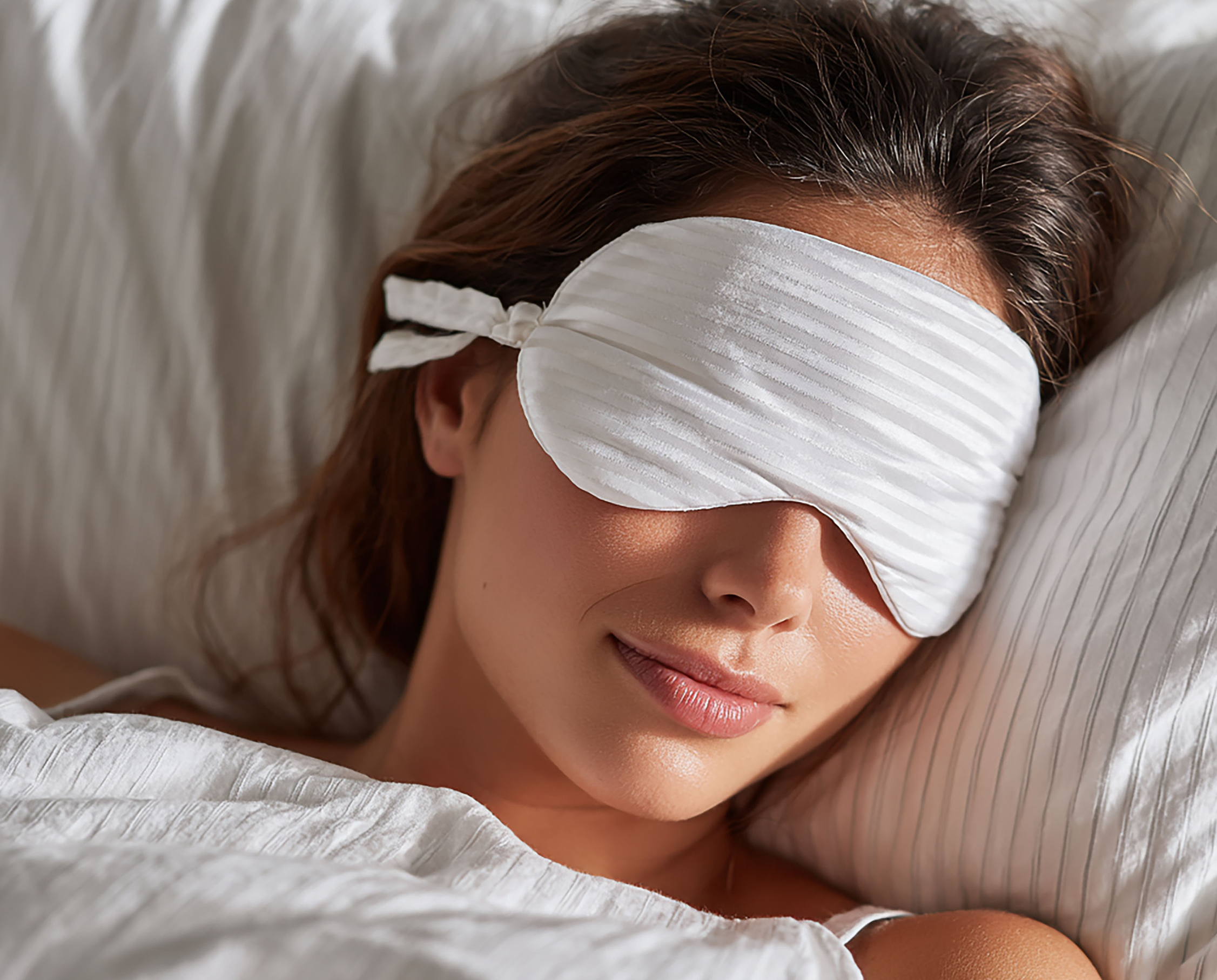
Pro tip: Aim to stop screen use 60 minutes before bed, and consider blackout curtains or an eye mask for optimal darkness. Switch your phone off and leave it in another room charging.
3. Wind Down With a Pre‑Sleep Routine
A calm, predictable evening routine tells your body it’s time to sleep. Ideally start from 3 hours before bed.
Try:
- Stop all food 3 hours before bed
- Reading a book
- Taking a warm bath
- Practising relaxation breathing
- Light stretching or gentle yoga
Science shows: Rituals help reduce stress hormones like cortisol and prime the brain for sleep.
4. Watch Caffeine and Alcohol
Caffeine stays active in your body for up to 8 hours. That afternoon coffee might still be keeping you awake at night. Alcohol might make you feel sleepy, but it disrupts deep sleep and increases the risk of snoring. Ideally stop all caffeinated drinks from 1pm.
Better options: Herbal tea (like chamomile) or warm milk can promote calm and relaxation.
5. Stay Active, But Time It Right
Regular exercise has been repeatedly shown to improve sleep quality and duration.
However:
- Vigorous exercise too close to bedtime can be stimulating
- Aim to finish intense workouts at least 3 hours before bed
Even a daily 20‑30 minute walk can make a big difference.
6. Manage Stress and Anxiety
Stress is one of the biggest barriers to restful sleep. If your mind races at night, try:
Journaling: Writing down your thoughts before bed can reduce mental clutter
Mindful breathing: Slow breaths increase parasympathetic (rest) activity
Meditation or guided relaxation: Helps lower cortisol and calm the nervous system
Research supports: Mindfulness practices improve both sleep onset and sleep quality.
Track Your Sleep: How Technology Can Help
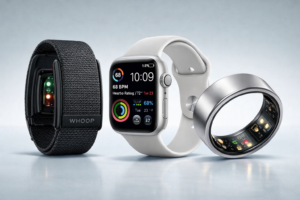
Modern wearable devices like the Apple Watch, and Oura Ring have made tracking sleep easier than ever. These tools provide insights into your sleep patterns, helping you understand how long and how well you’re sleeping.
How Sleep Trackers Work
Wearables typically monitor:
- Heart rate variability (HRV) — a marker of your body’s stress and recovery
- Movement during sleep — to estimate sleep stages (light, deep, REM)
- Respiratory rate — some devices can flag breathing irregularities
By reviewing trends over weeks or months, you can identify poor sleep habits or factors disrupting your rest. For example, high late-night activity or irregular bedtimes can show up as reduced deep sleep.
Benefits of Tracking Sleep
Awareness & Accountability: Seeing your sleep data can motivate you to prioritise bedtime routines.
Identify Patterns: Correlate lifestyle habits like caffeine, alcohol, or late-night screen use, with changes in sleep quality.
Early Detection: Some trackers can alert you to potential sleep-disordered breathing or irregular heart patterns, which may warrant professional evaluation.
Limitations to Keep in Mind
While wearables are useful, they aren’t medical devices. They can sometimes misclassify sleep stages or underestimate disruptions like snoring or micro-awakenings.
If your device shows consistently poor sleep or unusual readings, it’s best to consult a professional, such as our sleep and airway dentist Dr Aoife Stack, or our myofunctional therapist Jenny Nicoll, for a thorough assessment.
Making Data Actionable
Tracking works best when combined with behavioural and clinical interventions:
- Pair sleep insights with consistent sleep schedules
- Address airway or jaw issues affecting sleep
- Use data to refine bedtime routines, breathing exercises, or nightguard use
By combining technology with professional guidance, you can turn sleep insights into meaningful improvements for your rest, energy, and overall health.
When Sleep Issues May Need Professional Help
If you’re doing everything “right” but still struggling, you might have a more complex sleep issue.
Consider seeking help if you:
- Consistently wake up unrefreshed
- Snore loudly or choke/gasp at night
- Experience excessive daytime sleepiness
- Grind your teeth at night
- Have trouble keeping a regular sleep schedule
- Consistent brain-fog
These symptoms can be signs of conditions like sleep apnoea, bruxism, or airway dysfunction, conditions we assess and treat at our Baker Street dental practice.
How We Can Help: Sleep Support in London
At our holistic practice near Baker Street, London, we take a holistic, evidence‑based approach to improving sleep, ramping beyond standard dental care to support your airway and facial muscle function.
Sleep Dentistry With Dr Aoife Stack
Dr Stack is experienced in:
- Identifying signs of sleep‑disordered breathing
- Assessing jaw function and bite alignment
- Recommending oral appliance therapy
- Integrating dental care with overall sleep health
Whether it’s snoring, sleep apnoea, or nighttime grinding, our team works with you to find the right solution.
Myofunctional Therapy

Often overlooked, myofunctional therapy with our specialist Jenny Nicoll focuses on retraining the muscles of the tongue, jaw, and face to improve overall oral and airway function.
Through targeted exercises, this therapy can enhance nasal breathing, strengthen airway stability, support proper tongue posture, and reduce snoring, helping patients achieve more restful and restorative sleep. By addressing these underlying muscular patterns, myofunctional therapy complements other sleep and dental interventions, making it an essential part of a holistic approach to improving sleep quality.
Nightguards, Snore Devices, and More
At Optimal Dental Health, we offer custom solutions including:
✔ Nightguards — for bruxism (protects teeth and reduces jaw strain)
✔ Snore devices — oral appliances that gently reposition the jaw to open the airway
✔ Osteopathy — for cranio‑facial alignment and muscle balance support
✔ Sleep tape — recommendations for those who suffer from mouth breathing
Sleep Better Tonight: Start With One Change
You don’t need to overhaul your life to sleep better. Start with one tweak:
✔ Stop caffeine after midday
✔ Dim lights an hour before bed
✔ Try nasal breathing at night
✔ Speak to us about a nightguard or snore device
Sleep isn’t optional, it’s foundational. Good sleep improves your mood, immune system, heart health, oral health and overall quality of life. It starts with understanding your body and your airway.
Ready to Improve Your Sleep?
Whether you’re struggling with snoring, grinding, or restless nights, we’re here to help. At our Baker Street practice, we combine dental expertise with sleep science to give you personalised care that leads to real, restful nights.
Contact us today to book a sleep consultation with Dr Aoife Stack or learn more about myofunctional therapy, nightguards, and snore devices by email hello@optimaldental.co.uk