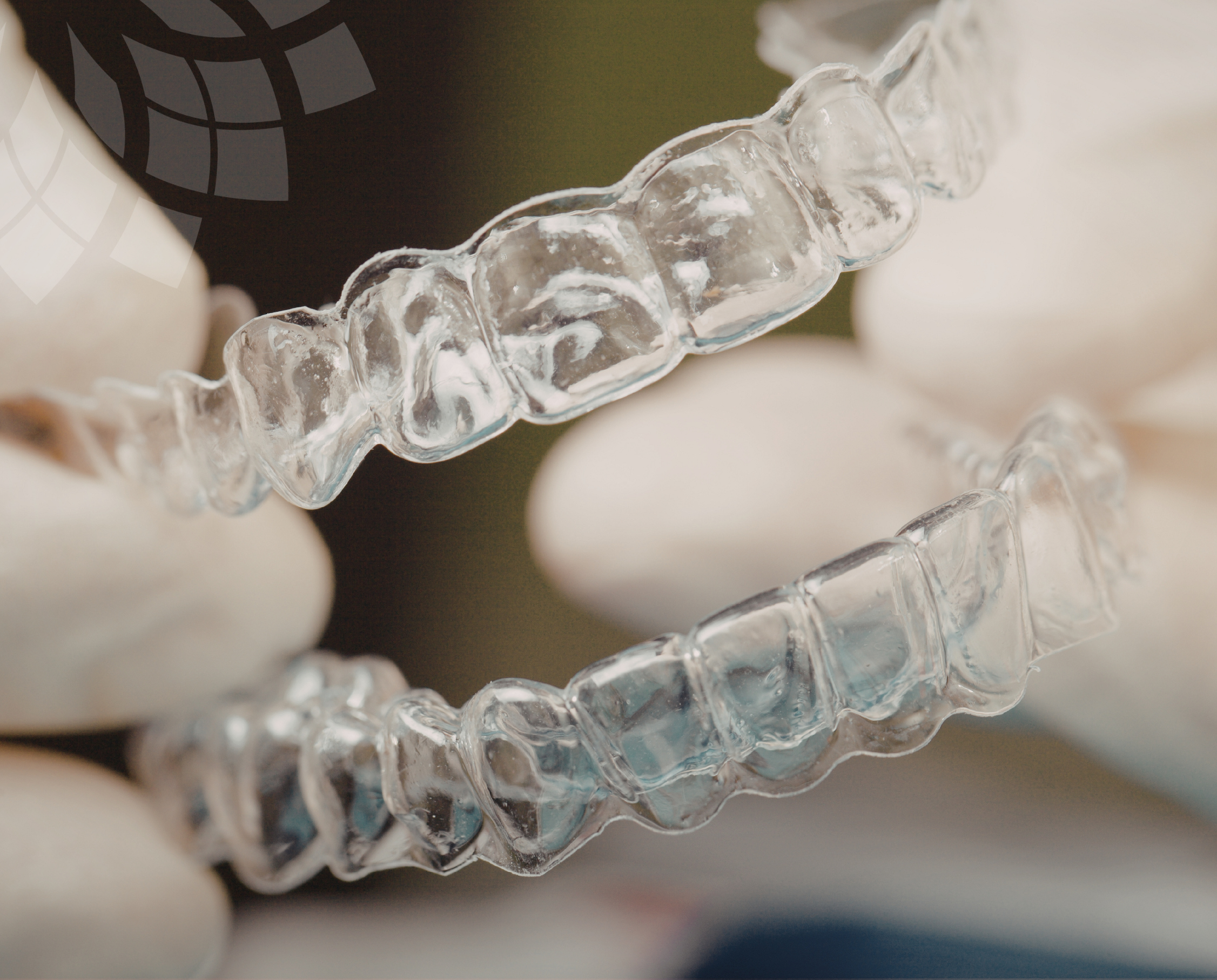
Clear aligners and retainers have transformed modern orthodontics. They offer a discreet, comfortable way to straighten teeth or maintain the results of orthodontic treatment. Because these appliances sit in the mouth for many hours each day, it is natural for you and wellness-focused individuals to ask thoughtful questions about the materials they are made from.
One topic that occasionally appears in online discussions is BPA (bisphenol A) and whether orthodontic plastics may release small amounts of it. Understanding the science behind this concern can help you make informed decisions without unnecessary worry. This article explores what BPA is, what research says about its presence in orthodontic appliances, and practical steps you can take if you want to minimise exposure.
What Is BPA?
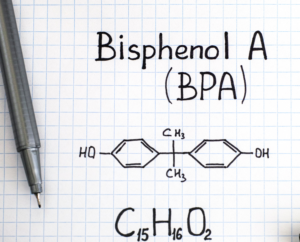
Bisphenol A (BPA) is a chemical compound that has been widely used in the production of plastics and resins since the 1950s. It is commonly found in:
- Polycarbonate plastics
- Epoxy resins used to line food cans
- Some medical and dental materials
BPA belongs to a group of chemicals known as endocrine disruptors. These substances can interact with hormone receptors in the body. Research has shown that BPA can bind to receptors involved in oestrogen signaling and may also interact with thyroid hormone pathways.
Because hormones regulate many essential processes, including metabolism, reproduction, and immune function, scientists continue to study how exposure to endocrine-active chemicals might influence long-term health.
Most exposure to BPA in everyday life occurs through food packaging and plastic containers, rather than dental materials. Nevertheless, it is understandable that you may want to know whether appliances worn in the mouth could contribute to exposure.
Do Clear Aligners and Retainers Contain BPA?
Modern orthodontic aligners and retainers are made from specialised medical-grade plastics designed for durability, flexibility, and safety. Many manufacturers state that their materials are BPA-free, although trace amounts may sometimes be detected due to the complex chemistry of polymer manufacturing.
It is important to understand that “BPA-free” does not always mean absolutely zero BPA molecules. During polymer production or degradation, very small quantities can sometimes appear as by-products. What matters clinically is the amount released and whether it approaches levels known to cause biological effects.
To evaluate this, researchers have investigated whether orthodontic materials release BPA when placed in conditions that simulate the mouth.
What Does the Research Say?
A 2021 in-vitro study examined BPA release from three commonly used orthodontic clear aligner materials. In the experiment, researchers placed aligner samples in artificial saliva and measured whether any BPA was released into the solution.
The results showed that small amounts of BPA were detectable from each of the materials tested. However, the measured concentrations were extremely low.
Most importantly, the study concluded that:
- The amount of BPA released was well below established safety limits for adults
- There was no significant difference between the three aligner brands tested
- The highest release occurred within the first 24 hours, rather than continuing to increase over time
This suggests that if BPA release occurs, it may primarily happen when the appliance is first introduced to the mouth. After that initial period no more release.
The authors concluded that the levels detected were unlikely to represent a significant health risk under normal conditions of use.
(Reference: Bisphenol A Release from Orthodontic Clear Aligner Materials, 2021, in-vitro study.) Download PDF.
Why the Mouth’s Environment Matters
The oral environment is dynamic. Saliva, temperature changes, chewing forces, and exposure to food or beverages all influence how materials behave in the mouth.
Saliva plays a particularly important role. It helps:
- Dilute substances released from dental materials
- Wash them away through swallowing
- Maintain a stable pH environment
For most people with normal saliva production, these natural mechanisms help reduce prolonged exposure to any compounds that may be released from dental appliances.
Who Might Prefer a More Cautious Approach?
Although current research suggests that BPA exposure from aligners and retainers is very low, some people prefer to minimise potential exposures wherever possible.
This may include people with:
- Thyroid disorders
- Autoimmune conditions
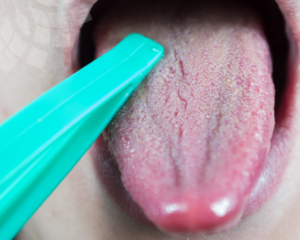
- Xerostomia (dry mouth)
- People following a functional or holistic health approach
It is important to note that current studies do not show that these groups face a higher risk from orthodontic appliances specifically. However, because BPA can interact with hormone pathways, you may feel more comfortable taking simple precautions.
In the case of xerostomia, reduced saliva flow could theoretically decrease the mouth’s ability to dilute and clear substances. While this has not been proven to significantly affect BPA exposure from aligners, it is a reasonable factor to consider when discussing personalised care with a dental professional.
Practical Steps to Reduce Potential BPA Exposure
If you wear clear aligners or a retainer and want to take a precautionary approach, a few simple habits may help minimise potential leaching from dental plastics.
1. Rinse New Aligners or Retainers
Before wearing a new appliance for the first time, rinse it thoroughly with cool or lukewarm water. Since research suggests that most BPA release occurs within the first 24 hours, this step may help remove any trace residues from the manufacturing process.
2. Clean Them Properly
Use a mixture of warm water and white vinegar with a soft toothbrush to clean your aligners or retainer. Avoid harsh chemicals or abrasive toothpaste, which may degrade the plastic surface.
Proper cleaning also prevents bacterial buildup, which supports overall oral health.
3. Avoid Hot Water
High temperatures can alter the structure of plastic materials. Always clean orthodontic appliances with cool or lukewarm water, as hot water may increase degradation and potentially increase chemical release.
4. Be Mindful with Mouthwashes
Alcohol-based mouthwashes or highly acidic products may affect certain plastics over time. If you regularly use mouthwash, consider discussing gentler formulations with your dentist such as luke-warm salt water.
5. Limit Exposure to Heat and Acid
Drinks such as coffee, tea, and acidic beverages should generally be avoided while wearing aligners anyway. Removing aligners before consuming hot drinks helps protect both the appliance and your teeth.
6. Replace Aligners or Retainers as Recommended
Orthodontic appliances are designed for specific wear schedules. Wearing them far beyond their intended lifespan can lead to material fatigue and surface breakdown, which may increase the chance of chemical release.
Are BPA-Free Alternatives Available?
Many orthodontic manufacturers now offer materials specifically marketed as BPA-free. If chemical exposure is a concern for you, it may be worth discussing these options with your dentist or orthodontist.
Different retainer types may also use different materials, including:
- Polyurethane-based aligners
- PETG plastics
- Acrylic retainers with stainless steel components
Each material has its own advantages in terms of durability, comfort, and aesthetics. Your dental professional can help you choose an option that balances orthodontic effectiveness with your personal preferences.
Mouthguards: Another Appliance to Consider
Just like retainers and clear aligners, mouthguards, whether worn for sports or as nightguards, are made from dental-grade plastics that may contain trace amounts of BPA. Research suggests that, when manufactured from high-quality materials, BPA release from mouthguards is minimal and well below established safety thresholds.
If you are concerned about BPA exposure, you can take similar precautions: rinse new guards before use, clean them with lukewarm water, avoid exposing them to heat or harsh chemicals, and replace them according to the manufacturer’s guidelines.
BPA-free options are also available for mouthguards, giving you peace of mind while protecting your teeth.
A Balanced Perspective
In the age of social media, it is easy for health discussions to become polarised. Concerns about chemicals in everyday products are valid, but they should always be considered in the context of scientific evidence.
Current research suggests that BPA exposure from orthodontic aligners and retainers is extremely low and well within established safety thresholds. For the vast majority, these appliances remain a safe and effective way to achieve or maintain a healthy smile.
At the same time, it is completely reasonable for you to ask questions about the materials used in your care. Dentistry is increasingly moving toward more transparent conversations about biocompatibility and long-term wellness.
The Bottom Line
If you wear a retainer or clear aligners, the available evidence indicates that BPA release from these materials is minimal and unlikely to pose a health risk.
However, if you prefer to take an extra cautious approach, simple habits, such as rinsing new appliances, avoiding heat, and cleaning them gently, may help minimise exposure even further.
Most importantly, speak openly with your dentist or orthodontist. They can guide you through the materials used in your treatment and discuss BPA-free alternatives if that aligns with your health goals. A healthy smile should support your overall wellbeing.
Reference:
Bisphenol A Release from Orthodontic Clear Aligner Materials (2021). In-vitro study examining BPA release from three commercial aligner systems in artificial saliva. Download PDF.
About the Author: Dr James Goolnik
Dr James Goolnik is the clinical director of Optimal Dental Health, a leading holistic and biological dental practice in London.
With over 30 years of clinical experience, Dr James Goolnik is internationally recognised for his expertise in mercury-safe dentistry (SMART protocol) and integrative oral health care.
He is passionate about helping patients understand the connection between oral health, nutrition, environmental toxins and overall well being. Through education, preventative care and advanced biological dentistry techniques, James aims to support you in achieving truly optimal dental health in London.
To book a 15-point dental health check at Optimal Dental Health, call our team on 020 3921 1000 or email hello@optimaldental.co.uk. You can also book online using our quick and easy online booking system here.