SMART Amalgam Removal: Everything You Need to Know About Safe Mercury Filling Removal
If you have silver-coloured fillings in your mouth, you may be wondering whether they contain mercury and whether it is safe to have them removed.
Interest in mercury-free dentistry and SMART amalgam removal has grown significantly in recent years. Many people are becoming increasingly aware of the potential health implications of mercury exposure and are seeking safer, more holistic alternatives to traditional dental care.
At Optimal Dental Health, Baker Street, we take a biological and holistic approach to dentistry, focusing not only on your teeth but also on your overall health and wellbeing.
In this guide, you’ll learn what amalgam fillings are, why some people choose to have them removed, what SMART amalgam removal involves, and how nutrition, ozone therapy and holistic recovery strategies can support your journey.
What Are Amalgam Fillings?
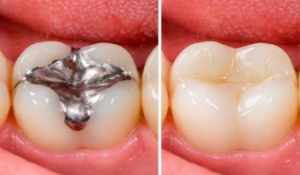
Dental amalgam has been used for over 150 years as a restorative material for treating tooth decay. Amalgam fillings are commonly recognised by their silver appearance and are composed of approximately 50% elemental mercury mixed with silver, copper and other metals, compared to composite materials. [1]
Historically, amalgam became popular because it was:
- Durable
- Affordable
- Easy to place
- Long-lasting
Millions of people worldwide still have amalgam fillings today. However, growing awareness of mercury toxicity has led many people to explore alternative materials and removal options.
Do Amalgam Fillings Release Mercury?
Yes. Scientific research has demonstrated that mercury vapour is continuously released from dental amalgam fillings, particularly during chewing, teeth grinding, brushing and exposure to hot foods and drinks. [2] [3]
The World Health Organisation identifies dental amalgam as one of the largest sources of mercury exposure in the general population. [4]
The amount released varies significantly between individuals and depends on factors including:
- Number of amalgam fillings
- Age of fillings
- Bruxism (teeth grinding)
- Gum chewing habits
- Consumption of hot beverages
While regulatory bodies maintain that amalgam remains acceptable for many individuals, increasing numbers of patients are adopting a precautionary approach.
Why Do People Choose SMART Amalgam Removal?
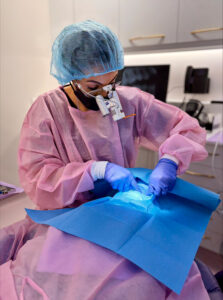
Every person has different reasons for considering amalgam removal. Common motivations include:
Reducing Mercury Exposure
Many people wish to reduce their overall body burden of mercury and other heavy metals.
Holistic Health Optimisation
Some individuals prefer biocompatible, metal-free dental materials as part of a broader wellness strategy.
Cracked or Failing Fillings
Older amalgam restorations often develop:
- Cracks
- Leakage
- Secondary decay
- Structural breakdown
In these situations, replacement may already be clinically necessary.
Preparation for Other Dental Treatment
Amalgam removal is often completed before:
- Cosmetic dentistry
- Ceramic restorations
- Ceramic implants
- Full-mouth rehabilitation
Why Is Safe Removal Important?
Removing amalgam incorrectly can expose you to significantly higher mercury vapour levels than leaving the filling untouched. [5]
During drilling, heat and friction can increase mercury vapour release. This is why proper safety protocols are essential. The goal of SMART amalgam removal is to minimise exposure for:
- You
- The dentist and team
- The environment
What Is SMART Amalgam Removal?
SMART stands for:
Safe Mercury Amalgam Removal Technique
The protocol was developed by the International Academy of Oral Medicine and Toxicology (IAOMT). It represents the most widely recognised safety framework for removing mercury amalgam fillings. [6]
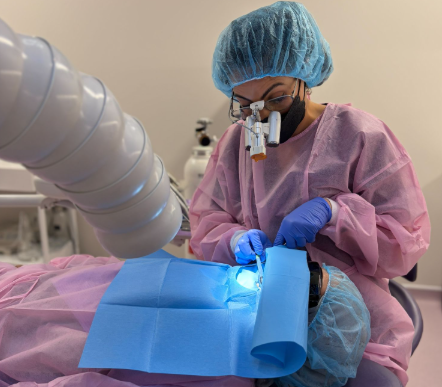
SMART protocols incorporate multiple protective measures designed to reduce mercury exposure during treatment.
What Happens During SMART Amalgam Removal?
Air Filtration Systems
Specialised air purification systems help capture airborne mercury particles and vapour generated during removal.
Protective Barriers
Protective coverings may be used to shield your face, eyes and clothing from particulate matter.
Rubber Dam Isolation
A dental dam isolates the treatment area and helps prevent ingestion of amalgam particles.
High-Volume Evacuation
Powerful suction systems remove mercury vapour and debris close to the source.
Sectioning Technique
Rather than grinding fillings away completely, the amalgam is cut into larger pieces and removed in sections.
This reduces vapour production and unnecessary drilling.
Water Cooling
Continuous irrigation helps minimise heat generation during removal.
Oxygen Support
Many biological dental practices provide an alternative air source during treatment to minimise inhalation exposure.
The Holistic Perspective on Mercury Exposure
Holistic dentistry recognises that oral health is connected to the rest of the body.
Mercury is a well-studied neurotoxin that has been investigated for its effects on:
- The nervous system
- Immune function
- Mitochondrial function
- Kidney health
- Oxidative stress pathways [7]
While individual responses vary considerably, biological dentists often consider cumulative exposure from multiple environmental sources rather than assessing dental fillings in isolation. Potential mercury exposure sources include:
- Certain fish species
- Industrial pollution
- Occupational exposure
- Older dental restorations
A holistic approach focuses on reducing unnecessary toxic burden while supporting natural detoxification pathways.
Supporting Your Body Before SMART Amalgam Removal
At Optimal Dental Health, we frequently discuss preparation strategies before treatment. The aim is not to “detox mercury” immediately before removal but rather to optimise your body’s resilience. Key areas often include:
Nutrient-Dense Nutrition
Focus on whole foods rich in:
- Vitamins
- Minerals
- Antioxidants
- Phytonutrients
Hydration
Adequate hydration supports normal cellular function and natural elimination pathways.
Sleep Optimisation
Research consistently demonstrates the importance of sleep for immune function, tissue repair and metabolic health. [8]
Stress Management
Chronic stress can influence inflammation and overall wellbeing.
Practices such as breathwork, meditation and gentle movement may help support recovery.
Nutritional Support Following SMART Amalgam Removal

Many people ask what they should eat after mercury filling removal. Focus on foods that support healing and provide antioxidant protection. Examples include:
Sulphur-Rich Foods
Sulphur-containing compounds play important roles in normal detoxification pathways.
Examples include:
- Broccoli
- Cauliflower
- Brussels sprouts
- Garlic
- Onions
Antioxidant-Rich Foods
Oxidative stress is a natural consequence of everyday metabolism. Antioxidant-rich foods include:
- Berries
- Colourful vegetables
- Herbs
- Green tea
High-Quality Protein
Protein provides amino acids necessary for tissue repair and cellular function. Good sources include:
- Eggs
- Fish
- Organic poultry
- Legumes
Ozone Therapy and Biological Dentistry London
Ozone therapy is widely used within holistic and biological dentistry. Ozone possesses powerful antimicrobial properties and has been investigated for its role in supporting tissue healing and oral health. [9]
Following dental treatment, ozone therapy may help:
- Support healthy healing
- Reduce bacterial load
- Promote tissue oxygenation
- Support oral microbial balance
At Optimal Dental Health in London, ozone therapy forms part of our commitment to minimally invasive and biologically focused care.
Biocompatible Alternatives to Amalgam Fillings
Once an amalgam filling has been safely removed, it must be replaced with an alternative material.
Options may include:
Composite Restorations
Modern BPA-free composite materials can provide excellent aesthetics and function.
Ceramic Restorations
For larger restorations, ceramic inlays, onlays and crowns may offer superior durability and biocompatibility.
Biocompatibility Testing
Some individuals choose advanced testing to identify materials that may be most compatible with their unique biology. Could be a Mercury TRI test from Quicksilver.
Common Myths About Amalgam Removal
Myth 1: All Amalgam Fillings Must Be Removed
Not necessarily. Every situation requires individual assessment. A stable filling may not require immediate replacement.
Myth 2: Mercury Detoxification Starts the Day After Removal
The body naturally processes and eliminates substances continuously. Supporting overall health is often more important than pursuing aggressive detoxification programmes.
Myth 3: All White Fillings Are Identical
Modern restorative materials vary significantly in composition, durability and biocompatibility.
Frequently Asked Questions
Is SMART amalgam removal safe?
When performed by a SMART-trained clinician following appropriate protocols, mercury exposure can be significantly reduced compared with conventional removal methods. [6]
How long does SMART amalgam removal take?
Treatment duration depends on the number and size of fillings being replaced.
Will I need multiple appointments?
Many people do, particularly when multiple amalgam fillings are present.
Can I replace amalgam fillings with ceramic restorations?
In many cases, yes. The most suitable option depends on the amount of remaining tooth structure and your individual treatment goals.
Should I prepare before SMART removal?
Optimising nutrition, sleep, hydration and overall wellbeing can help support your body’s natural healing processes.
Final Thoughts
SMART amalgam removal represents a significant advancement in mercury-safe dentistry. By following evidence-based safety protocols, dentists can minimise mercury exposure while replacing old restorations with modern, biocompatible alternatives.
If you’re considering mercury filling removal, choosing a clinician with appropriate training, experience and a holistic understanding of health is essential.
At Optimal Dental Health, our philosophy extends beyond simply removing fillings. We focus on supporting your overall health through biological dentistry, nutritional guidance, ozone therapy, biocompatible materials and personalised treatment planning.
Call our team today on 020 3921 1000 or email us at hello@optimaldental.co.uk to find out more and book your 15-point dental health check. You can also download our FREE guide to Safe Amalgam Removal here.
Sign up to our monthly newsletter
Want to stay up-to-date with the latest offers, technology and exclusive discounts? Join over 3,500+ people exploring oral health and whole-body wellness. Sign up to our monthly newsletter here.
We only send ONE newsletter per month!
About the Author: Dr James Goolnik

Dr James Goolnik is the Founder and Clinical Director of Optimal Dental Health, one of the UK‘s leading holistic dental practices based in London.
With more than three decades of clinical experience, Dr Goolnik has become internationally recognised for his work in biological dentistry, SMART amalgam removal, oral-systemic health and minimally invasive dental care.
He has undertaken extensive postgraduate training in safe mercury amalgam removal techniques, ozone therapy, biocompatible dentistry, oral microbiome health and integrative healthcare approaches. He regularly lectures to dentists internationally and is passionate about educating both clinicians and the public on the relationship between oral health and overall wellbeing.
Dr Goolnik’s approach combines advanced evidence-based dentistry with a whole-body health philosophy, helping people make informed decisions about their oral health while supporting long-term wellness.
Credentials and Professional Memberships
- Director, Optimal Dental Health
- SMART Amalgam Removal Trained
- Member, International Academy of Oral Medicine and Toxicology (IAOMT)
- Lecturer in Holistic and Biological Dentistry
- Advocate for Mercury-Free and Mercury-Safe Dentistry
- Experienced in Ozone Therapy and Biocompatible Restorative Dentistry
References
[1] United States Food and Drug Administration. Dental Amalgam Information.
[2] Richardson GM et al. Mercury Exposure and Risks from Dental Amalgam. Human and Ecological Risk Assessment.
[3] Mutter J. Is Dental Amalgam Safe for Humans? The Scientific Evidence. Journal of Occupational Medicine and Toxicology.
[4] World Health Organisation. Future Use of Materials for Dental Restoration.
[5] IAOMT Scientific Review of Mercury Exposure During Dental Procedures.
[6] International Academy of Oral Medicine and Toxicology. SMART Protocol Guidelines. https://iaomt.org
[7] Clarkson TW, Magos L. The Toxicology of Mercury and Its Chemical Compounds. Critical Reviews in Toxicology.
[8] Irwin MR. Sleep and Inflammation. Sleep Medicine Clinics.
[9] Elvis AM, Ekta JS. Ozone Therapy: A Clinical Review. Journal of Natural Science, Biology and Medicine.