Inlays and Onlays: A Holistic Guide
You have been told you need an inlay or onlay, but what does that mean? This guide explains what an onlay is, how they differ, when we use them, what the treatment involves and what to expect afterwards.
Why Choose an Inlay or Onlay Instead of a Filling or Crown?
Normally, an inlay or onlay will be used when a filling won’t be strong enough. Large cavities or teeth with previous large fillings may crack or leak with ordinary filling material. Inlays/onlays are stronger and last longer.
What Are The Differences Between an Inlay and Onlay?
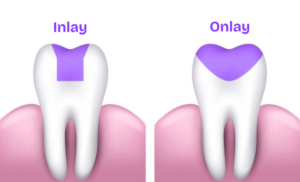
The main difference between an inlay and an onlay is how much of the tooth they cover. An inlay fits neatly within the grooves of the tooth and is used when damage or decay is contained in the centre, without affecting the cusps (the pointed edges). An onlay covers one or more cusps and is used when the tooth needs extra strength or protection, but doesn’t require a full crown. Both options are conservative, tooth-preserving restorations designed to restore strength, function and natural appearance.
When you want to preserve tooth structure, onlays can repair cusps without removing as much tooth as a full crown would require. For better aesthetics and longevity. Tooth-coloured porcelain or composite inlays and onlays look natural and resist staining better than large direct fillings.
What are Inlays and Onlays made of?
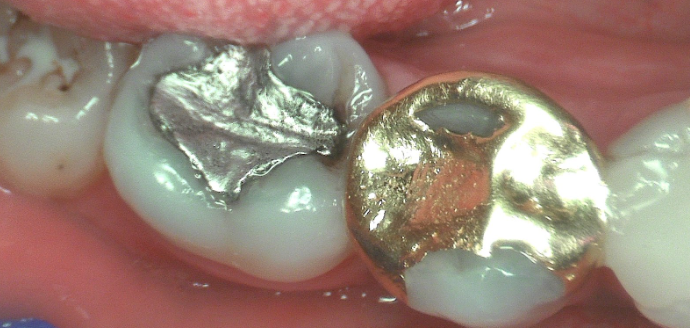
Porcelain (ceramic):Excellent aesthetics and wear resistance and widely used for back teeth when matching natural colour matters. Ceramic inlays London are a fantastic choice if you want natural and biocompatible treatment.
Composite (tooth-coloured resin): Composite is more conservative and repairable, but may be less durable long-term.
We will recommend the best material based on the tooth’s position, bite forces, aesthetics and your budget. Our holistic dentist will run through any questions you may have before the procedure begins.
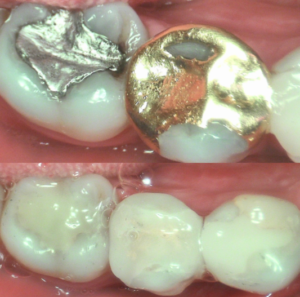
The Inlay/Onlay procedure: What To Expect
Assessment & preparation: We will examine the tooth, take X-rays and remove any decay or old filling material. If there’s an infection, we will treat this before your inlay/onlay treatment begins.
Tooth shaping & impression: The tooth is shaped to accept the restoration. A digital scan or a traditional impression is taken.
Temporary: A temporary filling or restoration protects the tooth while our on-site dental lab technician makes the inlay/onlay for you, this can take anywhere from 1-2 weeks.
Fitting & cementation: At your next visit, our dentist and lab technician will check the fit and colour. We will then bond the inlay/onlay with special dental cement. Minor adjustments to your bite may be made for extra comfort.
Most patients report only mild sensitivity for a few days. The treatment is usually done under local anaesthesia so it’s comfortable.
How Long Do Inlays and Onlays Last?
The lifespan of a dental onlay depends on material, oral hygiene, diet, bite forces and whether you grind your teeth. Porcelain onlays or inlays can last around 10 years or more with good care. Composite restorations can be shorter lived but are repairable. Regular checkups and avoiding grinding your teeth will help maximise longevity.
Pros and Cons
Pros
- Conservative, preserves more natural tooth than a crown.
- Stronger and more precise than large fillings. Natural aesthetics with porcelain/composite.
- Long lifespan when well cared for.
Cons
- More expensive than a simple filling.
- Requires at least two visits.
- Can chip or come loose (repairable, but may need replacement)
Is an Inlay/Onlay Right For Me?
They’re most commonly used on molars and premolars where damage is too big for a filling, but not enough to justify a crown. Our holistic dentists London will consider:
- Amount of remaining tooth structure
- Location of the tooth (back teeth take more bite force)
- Aesthetic needs
- Budget and how long you want the restoration to last
If a tooth has widespread damage or needs full coverage, a crown may still be the best option. If you clench or grind (also known as bruxism), talk to us about a protective night guard to protect your new restoration.
Aftercare: Keeping your Dental Inlay Healthy
- Brush twice daily and floss regularly
- Avoid very hard or sticky foods for the first 48 hours after cementation.
- Attend regular dental check-ups so your dentist can check the fit and integrity.
- If you feel roughness, sensitivity that persists, or if the restoration becomes loose, call your dentist promptly.
Frequently asked questions:
How much does a dental inlay cost?
Whether you need a dental inlay or onlay, treatment at Optimal Dental Health,you will need to book a 15-point dental health check to discuss treatment with our holistic dentist in Baker Street. Our 15-point dental health check starts from £200.
How long do dental inlays and onlays last?
Given the right care, a porcelain restoration will last anywhere over 10 years.
What’s the difference between a dental inlay and an onlay? The main difference is coverage. An inlay fits within the tooth’s grooves and does not cover the cusps. An onlay extends over one or more cusps and can restore a larger portion of the tooth.
Is the procedure painful?
Most patients experience minimal discomfort. The procedure is usually performed under local anesthesia, and post-treatment sensitivity is temporary.
How do I care for my dental inlays and onlays?
Care is similar to natural teeth. Brush twice daily, floss regularly, and visit Optimal Dental Health for routine check-ups. We also recommend avoiding chewing excessively hard foods to prevent chipping.
Can inlays and onlays be replaced if damaged?
Yes, if an inlay or onlay cracks or wears down, it can be replaced. Regular dental visits will help catch any issues early.
About the Author

Dr James Goolnik is a leading holistic and cosmetic dentist and the founder of Optimal Dental Health in London. He is also an inlay and onlays dentist in London. With over 20 years’ experience, he focuses on minimally invasive, biocompatible treatments that support whole-body wellness.
Dr Goolnik regularly teaches and writes about the link between oral health and overall health, helping patients make confident, informed choices about their care. To book a 15-point dental health check with James Goolnik, call us today on 020 3921 1000.