What Is Bruxism? Signs and Symptoms | A Holistic Guide
What is Bruxism? If you’ve ever woken up with a sore jaw, tight facial muscles, or unexplained headaches, you may have found yourself Googling symptoms like “jaw pain at night,” “teeth grinding,” or “why does my jaw click?” These common search queries often lead to one underlying cause: bruxism. So what are the signs of bruxism?
Bruxism is one of the most under-diagnosed conditions in dentistry, partly because many people don’t realise they have it until the symptoms become disruptive. For health-conscious individuals who take a proactive approach to wellbeing, understanding bruxism is key to preventing long-term damage and supporting overall vitality.
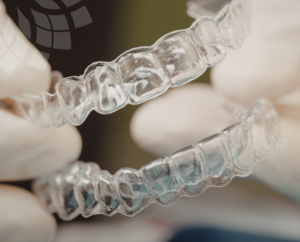
Holistic dental practices, such as Optimal Dental Health Baker Street, take a whole-body approach to diagnosing and treating bruxism, offering you far more than just a night guard.
In this article, we’ll explore what bruxism actually is, the signs you may have it, and the most frequently asked questions people search online. We’ll also cover the benefits of getting bruxism treated early and how it can genuinely improve your quality of life.
What Is Bruxism?
Bruxism is the habitual grinding, clenching, or gnashing of the teeth. It can occur:
- During sleep (sleep bruxism)
- While awake (awake bruxism)
Although stress is one of the most well-known triggers, bruxism has multiple contributing factors. In holistic dentistry, bruxism is viewed as a sign of underlying imbalance, whether structural, emotional, muscular, or neurological.
Sleep Bruxism
This is the most common form. It happens unconsciously and is often related to:
- Disturbed sleep patterns
- Airway issues, such as mild sleep apnoea
- Stress and anxiety
- Misaligned bite or dysfunctional jaw movement
According to the Royal College of Surgeons guideline on TMD management (2025), TMD affects up to 1 in 15 people in the UK (6.7%) [1]
A 2024/2025 meta-analysis reported a combined (sleep and awake) global bruxism prevalence of 22.22% [2]
Awake Bruxism
This usually presents as unconscious daytime clenching, often during:
- Concentration
- Driving
- Exercising
- Work-related stress
- Emotional tension
Even mild clenching during these activities can put significant pressure on the teeth and jaw.
Do I Have Bruxism? What are the signs of Bruxism?
Because bruxism often occurs unconsciously, many people only become aware of it once symptoms begin to interfere with daily life. You may have bruxism if you’re experiencing any of the following:
1. Jaw Pain or Tightness
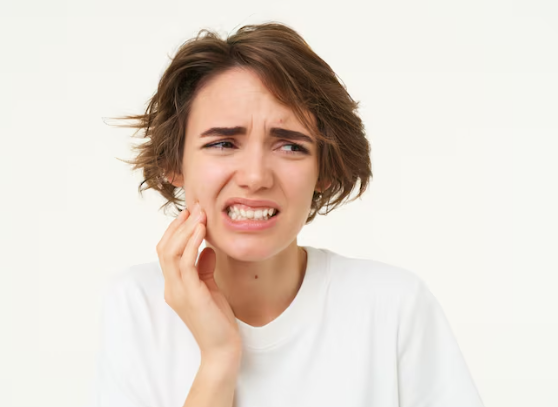
A tense, sore jaw, especially in the morning, which is one of the most common signs.
2. Headaches or Migraines
Grinding puts stress on the temporalis muscles (on the sides of your head), which can trigger tension headaches.
3. Worn, Flattened, or Chipped Teeth
Excess pressure grinds enamel down, sometimes visibly shortening the teeth.
4. Sensitive Teeth
Overworked tooth surfaces and exposed dentin can create temperature or pressure sensitivity.
5. Ear or Facial Pain
Jaw muscles connect to areas around the ears and cheeks, so the pain can radiate outwards.
6. Clicking or Popping Jaw
This may indicate TMJ (temporomandibular joint) dysfunction, which often co-exists with bruxism.
7. Disturbed Sleep
People with sleep bruxism may wake frequently or experience unrestful sleep.
8. A Partner Reports Grinding Sounds
Sleep partners often notice the grinding before the individual does. If one or more of these signs feel familiar, it’s worth having a holistic dentist examine your jaw, bite, muscles, airway, and overall health. Bruxism is more than a dental issue, it can affect your whole body.
Why Do People Get Bruxism? A Holistic Perspective
While conventional dentistry often focuses solely on teeth, holistic dentistry looks deeper to understand why grinding occurs. Contributing factors may include:
- Stress and emotional tension
- Airway restriction or mouth breathing
- Nutritional deficiencies (e.g., magnesium)
- Jaw development issues or bite misalignment
- Poor posture or body alignment
- TMJ dysfunction and sleep disorders
- Digestive imbalance or inflammation
- Nutritional deficiencies.
At Optimal Dental Health, your dentist and myofunctional therapists consider the connection between oral structures, breathing, sleep quality, and whole-body wellbeing. May suggest blood tests for HbA1c, CRP,, Vitamin D, Ferritin, and Omega 3/6 ratio.
If we are concerned about sleep disordered breathing or sleep apneoa we may suggest an overnight sleep test and have it reported on by a sleep consultant,
SSRI’s And Bruxism
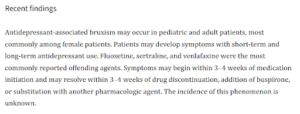
Selective Serotonin Reuptake Inhibitors (SSRIs) can also cause bruxism (teeth grinding and jaw clenching) because they affect neurotransmitters involved in movement regulation. [3]
 #
#
The Hidden Impacts of Untreated Bruxism
Ignoring bruxism and jaw clenching can lead to:
- Cracked or broken teeth
- Premature ageing of the smile
- Receding gums
- Chronic headaches or migraines
- Facial muscle enlargement
- TMJ disorders and sleep problems
- Neck, shoulder, and back pain
- Increased stress on the nervous system
Top 5 FAQs About Bruxism
1. What is bruxism and what causes it?
Bruxism is the involuntary grinding or clenching of the teeth. It can be caused by stress, sleep issues, bite misalignment, airway problems, posture, or TMJ dysfunction. As holistic dentists, we also consider lifestyle, nutrition, sleep, muscle tension, and overall health as contributing factors.
2. How do I know if I have bruxism?
Common signs include jaw pain, morning headaches, worn or sensitive teeth, ear or facial pain, clicking jaws, and disrupted sleep. You may grind without realising it, so a dental assessment is often needed for confirmation.
3. Is teeth grinding dangerous if left untreated?
Yes. Untreated bruxism can cause cracked teeth, enamel wear, gum recession, TMJ issues, chronic headaches, and long-term muscle tension. Early treatment prevents ongoing damage and improves overall wellbeing.
4. How is bruxism treated by a holistic dentist?
Holistic dentists look beyond symptoms. Treatment may include custom night guards, bite balancing, airway evaluation, jaw muscle therapy, stress reduction techniques, nutritional support, or addressing posture and breathing habits.
5. Can bruxism go away on its own?
Bruxism rarely resolves without addressing its root cause. While stress-related grinding may fluctuate, structural or airway-related bruxism typically persists. Treatment can dramatically reduce symptoms and protect your long-term dental health.
The sooner bruxism is addressed, the easier it is to stop the damage and restore balance. To book a consultation at Optimal Dental Health near Marylebone, call our holistic dental team on 020 3921 1000 or email hello@optimaldental.co.uk