Mercury Fillings Banned in the UK: What It Means for You and Your Smile
If you’ve ever had a silver filling, chances are it was made from dental amalgam, a mixture that includes mercury and other metals like silver, tin, and copper. For generations, these fillings were the go-to solution for repairing cavities. But that’s old technology.
In January 2025 the UK, along with 150 countries agreed to phase out mercury-based dental fillings by 2034 under the Minamata Convention on Mercury. This is a major global step toward reducing exposure to mercury, a substance known to be harmful to both humans and the environment.
So what does this mean for you as a dental patient? Do your old fillings need to be replaced? Are newer materials as good? Let’s break it down clearly.
What Are Mercury Fillings (Amalgam Fillings)?
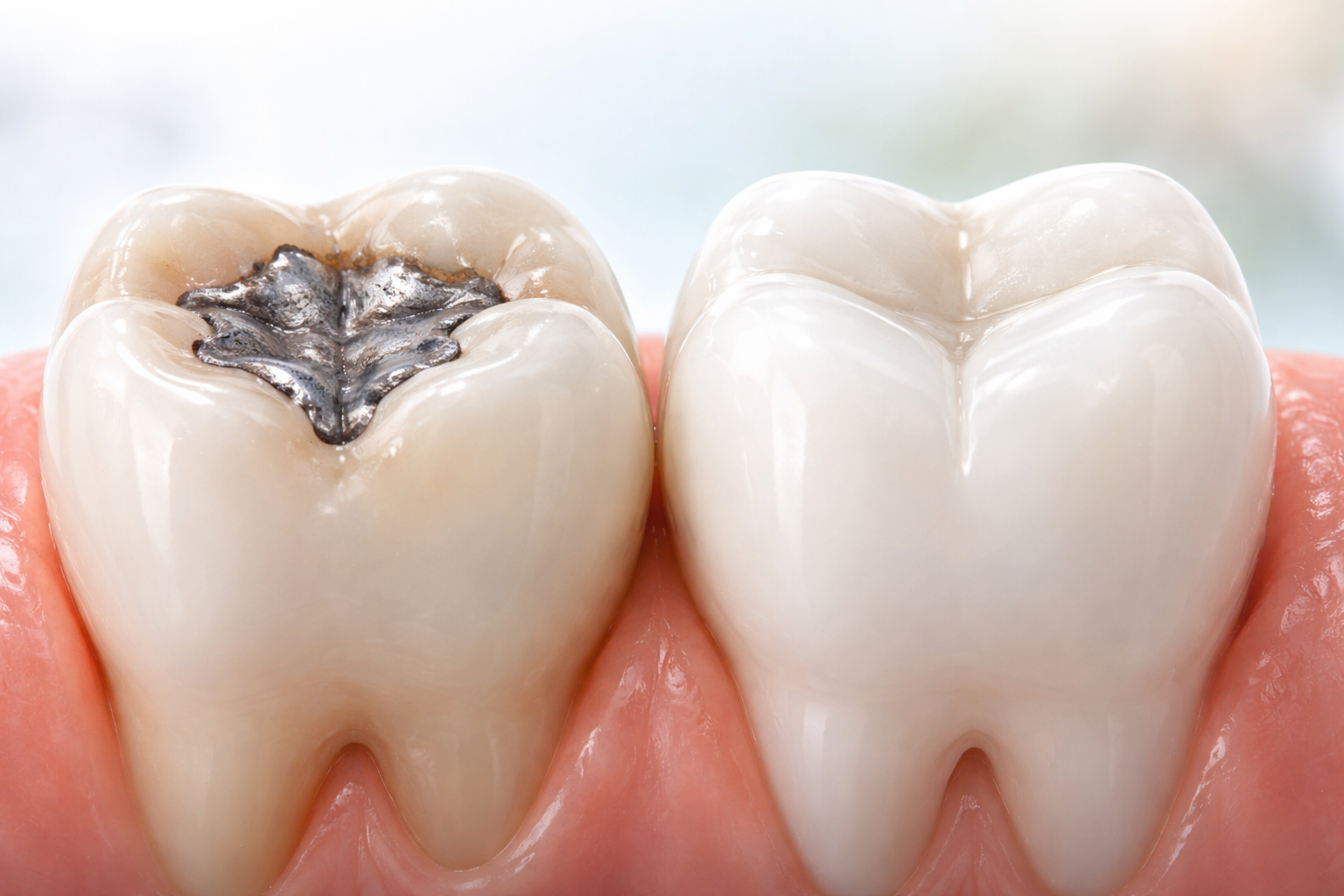
Mercury fillings or dental amalgam, are the silver-coloured fillings many people have had in their back teeth. They’ve been used safely for over 150 years because they’re strong, affordable, and quick to place.
Each filling is made from about 50% liquid mercury mixed with powdered metals. Once set, it becomes a solid, long-lasting filling material that can handle the pressure of chewing.
While dental amalgam has served millions of people well, mercury is a toxic heavy metal. Over time, concerns have grown about its potential health and environmental effects, which is why countries are now moving toward mercury-free dentistry.
Why Is Mercury Being Phased Out Globally?
Mercury is considered one of the most toxic natural elements. Even in small amounts, it can harm the brain, nervous system, and kidneys. The World Health Organization (WHO) warns that exposure during pregnancy or early childhood can affect a baby’s development. [1]
In dentistry, mercury can be released in tiny amounts when fillings are placed or removed, and old amalgam waste can also leak into the environment if not disposed of properly. Cremation and landfill disposal are additional sources of global mercury pollution.
By phasing out mercury-based fillings, the world is taking a proactive step to protect public health and the planet, ensuring a cleaner, safer future for everyone.
What the 2034 Global Phase-Out Means
At the Sixth Conference of the Parties (COP-6) of the Minamata Convention in Geneva, 153 countries agreed that by 2034, dental amalgam will no longer be produced, imported, or used (except in very rare cases). [2]
This doesn’t mean dentists will suddenly remove everyone’s existing fillings. It simply means that mercury-free materials will now become the global standard for new dental treatments.
Should I Replace My Old Metal Fillings?
If you already have amalgam fillings, don’t panic. In most cases, they’re perfectly safe if they’re intact and functioning well.
Here’s what dental health experts recommend:
- Do not remove old fillings just because they contain mercury. Removing them unnecessarily can release mercury vapour and damage healthy tooth structure.
- Have them checked regularly. If your dentist finds cracks, decay underneath, or other issues, they may recommend replacement with a modern, mercury-free material.
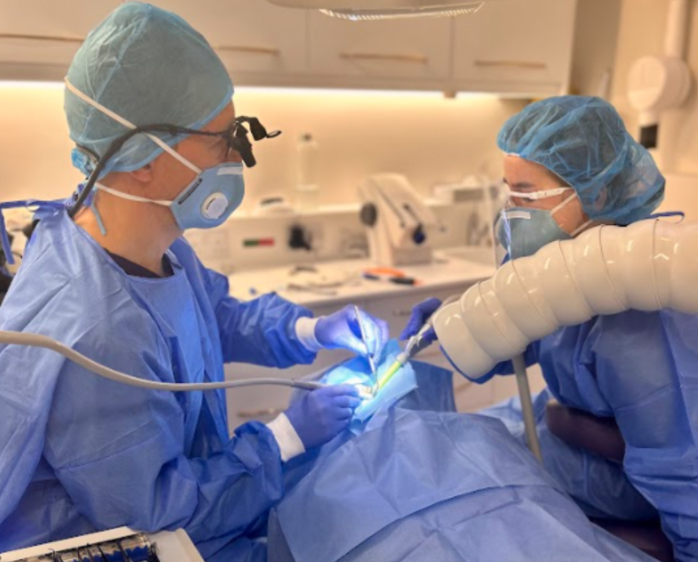
- Choose safe mercury filling removal when needed. If a replacement is necessary, your dentist will use proper suction, water cooling, and mercury-safe disposal practices.
“Here at Optimal Dental Health, we’re proud to offer the SMART (Safe Mercury Amalgam Removal Technique) protocol. Both our holistic dentist, Dr James Goolnik, and Dr Ilan Preiss are SMART-certified, ensuring the safest, most environmentally responsible approach to amalgam removal”
This means that if your fillings ever do need replacing, you can feel completely confident that it will be done with your safety in mind.
What Are the Mercury-Free Alternatives For Fillings?
Thanks to modern dentistry, there are excellent options available that are safer, stronger, and more natural-looking than traditional amalgam fillings.
Here’s a quick look at the main alternatives:
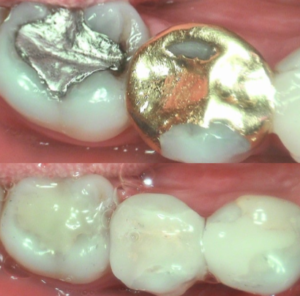
| Material | Colour & Look | Main Benefits | Best For |
| Composite Resin | Tooth-coloured | Aesthetic, bonds to enamel, strong | Front and back teeth |
| Glass Ionomer | Tooth-coloured | Releases fluoride | Small fillings, root surfaces |
| Ceramic (Porcelain) | Matches natural teeth | Very durable, stain-resistant | Large fillings or cosmetic work |
| Gold Alloy | Gold-coloured | Extremely durable, long-lasting | Back teeth, heavy grinders, patients who prefer gold |
Composite resin fillings are now the most popular choice. They blend seamlessly with your natural tooth colour, cost efective, can be easily repaired and contain no mercury.
Best of all, today’s materials are designed to last, often matching or even exceeding the lifespan of older amalgam fillings. You can download our FREE Smart Amalgam Removal guide to discover even more here.
The Environmental Benefits
Beyond personal health, the phase-out of mercury fillings has enormous environmental benefits.
When dental amalgam is discarded, mercury can leach into the soil and waterways. From there, it transforms into methylmercury, a highly toxic compound that builds up in fish and seafood, posing risks to wildlife and people alike.
By moving to mercury-free materials, dental clinics worldwide will help reduce pollution, keep our oceans cleaner, and support global sustainability efforts.
What You Can Expect at Your Next Appointment
If your dentist recommends a filling or restoration, you’ll likely be offered a composite or ceramic option. These materials are:
- Completely mercury-free
- Tooth-coloured and natural-looking
- Strong, safe, and long-lasting
Your dentist may ask about your preferences, for example, whether you’re more concerned about appearance, cost, or durability. Together, you can choose the best material for your smile.
If you already have older amalgam fillings, your dentist will:
- Examine them during your check-up
- Advise you if they’re still healthy or need replacing
- Ensure any necessary removal is done safely and carefully
In most cases, patients find that modern fillings feel smoother, look better, and give them more confidence when they smile.
How to Protect Your Teeth and Avoid Fillings Altogether
The phase-out of mercury fillings highlights a bigger truth: prevention is always better than cure. Here are simple steps to keep your teeth healthy and avoid future cavities:
- Brush twice daily with a non-fluoride toothpaste.
- Floss or use interdental brushes at least once every day.
- Limit sugary foods and drinks, especially between meals.
- Drink plenty of water. It helps wash away food particles and neutralise acids.
- Visit your dentist regularly for professional cleanings and early detection.
Frequently Asked Questions
Will my dentist still use silver fillings before 2034?
Possibly, but many clinics including our team of holistic dentists at Optimal Dental Health, have already made the switch to mercury-free materials. We are proud to be a non-toxic, metal-free dental practice in London.
Are mercury-free fillings as strong?
Yes. Today’s composites and ceramics are extremely durable and designed to handle everyday chewing just as well as traditional amalgam.
Are mercury fillings safe during pregnancy?
Most countries now advise against using or removing mercury fillings during pregnancy. Your dentist will recommend a safe, alternative treatment plan.
The Future of Safe, Sustainable Dentistry
The global phase-out of mercury fillings marks the beginning of a new era in dentistry, one that values safety, sustainability, and aesthetics.
By 2034, nearly every dental filling placed around the world will be mercury-free, meaning healthier patients, cleaner water, and a greener planet. [3]
At your next dental visit with us, feel free to ask:
- What materials do you use for fillings?
- Are my old amalgam fillings still in good condition?
- What’s the safest, most natural option for my smile?
- Do you offer safe amalgam removal?
Your dental team at Optimal Dental Health will be happy to guide you through your options and help you make an informed, confident decision. Call us today on 020 3921 1000 or email hello@optimaldental.co.uk for more information.
References & Trusted Sources
- World Health Organization (WHO) – Mercury and Health Fact Sheet
- United Nations Environment Programme (UNEP) – Minamata Convention COP-6 Decision on Dental Amalgam (2025)
- COP6 decision on dental amalgam secures an equity-focused, patient-centred approach (2025)