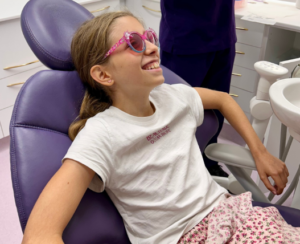
How Oral Health Can Improve Kids Concentration in School
When it comes to helping children succeed in school, parents often focus on study schedules, extra tutoring, reducing screen time and eating healthy meals. But one often-overlooked factor that can make a big difference in a child’s ability to concentrate is oral health. Healthy teeth and gums do more than keep a smile bright, they can improve focus, memory, and even performance on exams.
In this article our specialist peadiatric dentist, Dr Sara Johnstone, explores the connection between oral health and concentration, practical ways to encourage great toothbrushing habits, and how these habits can help kids excel academically.
The Surprising Connection Between Oral Health and Focus
It may seem surprising, but research shows that oral health can directly influence cognitive performance. Here’s why:
- Pain and discomfort: Toothaches, cavities, or gum disease cause constant distractions. Even mild discomfort can make it hard for a child to concentrate on lessons, remember instructions, or focus during homework.
- Sleep disruption: Oral pain can interfere with sleep. Children who wake up due to discomfort are likely to feel tired and sluggish at school, which reduces attention span and overall productivity.
- Systemic effects: Poor oral health can contribute to inflammation in the body. Emerging research suggests that chronic inflammation may impact cognitive function, learning, and memory.
In other words, a mouth in pain can lead to a mind in distraction. Conversely, good oral hygiene can set the stage for a focused, alert, and engaged student.
Brushing, Flossing, and Better School Performance
Healthy oral habits are not just about avoiding cavities, they can improve a child’s ability to focus and retain information. Here’s how daily practices make a difference:
1. Brushing Twice a Day
Regular brushing removes plaque and bacteria that cause gum disease and tooth decay. A child who starts the day with a clean mouth is less likely to experience pain or sensitivity, which means fewer distractions in the classroom. Brushing before bed is equally important, ensuring that bacteria and food particles don’t linger overnight.
2. Flossing Daily
Flossing removes debris between teeth that brushing can miss. Healthy gums are comfortable gums, and pain-free gums mean a pain-free mind. Children who floss regularly are less likely to experience gum inflammation that could interfere with concentration.
3. Routine Dental Check-Ups
Regular visits to the dentist allow early detection of potential problems before they affect schoolwork. Children who receive preventive care spend less time dealing with urgent dental issues, leaving them free to focus on learning and exams.
How Oral Health Affects Cognitive Performance
Several studies suggest that children with better oral health score higher in memory tests and perform better academically than peers with untreated dental issues.[1] The reasons include:
- Reduced distractions: A child without tooth or gum pain can focus on lessons rather than discomfort.
- Improved nutrition: Healthy teeth allow children to eat a balanced diet, which supports brain function. Pain or missing teeth can limit food choices, leading to reduced energy and concentration.
- Confidence and social interaction: Oral health impacts self-esteem. Children who feel confident about their smiles are more likely to participate in class discussions and group activities, which strengthens learning.
Practical Tips for Parents
Encouraging children to maintain excellent oral hygiene can seem challenging, but with consistent strategies, it can become second nature.
Make Brushing Fun
- Use colorful toothbrushes, flavored toothpaste, or timers.
- Apps and songs that track brushing time turn oral care into a fun activity.
- Reward charts can motivate younger children to brush consistently.
Create a Routine
- Brush twice daily, morning and bedtime.
- Make flossing part of the nightly routine.
- Consistency ensures oral health becomes a habit rather than a chore.
Lead by Example
Children mimic adult behavior. When parents prioritise oral hygiene, children are more likely to take it seriously. Brushing and flossing together can turn the activity into a shared routine that reinforces positive habits.
Dr Sara Johnstone says “Children do not develop manual dexterity fully until around eight years old. It is important that up to this age they still have help with toothbrushing, particularly in the evenings when they may be tired and less likely to want to brush their teeth.
Make sure that toothbrushing happens in front of a mirror so that you can see where the tooth brush is cleaning and the areas where it needs to clean. Smaller child sized floss picks in different rainbow colours make flossing extra fun, as well as educating them on the brain-mouth connection. Explain to children that healthy teeth and gums help their brain focus better. Kids respond well to tangible benefits, understanding that brushing helps them pay attention in class or do well on exams can make oral hygiene more meaningful.”
Tips for Making Exams Easier Through Oral Health
During exam periods, maintaining oral health is especially important. Here’s how small habits can improve concentration:
- Avoid sugary snacks before tests: Sugar can cause short-term energy spikes followed by crashes, affecting focus. Maintaining oral health and balanced energy supports better concentration.
- Brush after meals: Especially important during exam weeks when kids may eat on the go. Prevents plaque buildup and discomfort.
- Stay hydrated: Water not only helps oral health by washing away food particles but also keeps the brain alert.
- Address dental issues early: Don’t wait until after exams to treat toothaches. A child in pain cannot focus effectively, no matter how well-prepared they are.
Beyond Concentration: Oral Health Builds Lifelong Habits
Fostering oral health in childhood sets the stage for lifelong habits. Children who learn to brush and floss effectively are less likely to suffer from dental problems later in life, and they also learn the value of self-care and routine, skills that translate into academic and personal success.
By linking oral health to school performance, parents can make toothbrushing more than just a nightly chore, it becomes a tool for learning and achievement.
Oral health is more than just a bright smile. It directly influences a child’s ability to focus, retain information, and perform well in school. By encouraging regular brushing, flossing, and dental visits, parents can help their children reduce distractions, improve sleep, and feel confident in themselves.
Healthy teeth = focused mind = better learning. Investing a few minutes each day in oral care can pay off in hours of improved concentration and academic success.
About the Author Dr Sara Johnstone

Dr. Sara Johnstone is a pediatric specialist dentist with over 25 years of experience helping children achieve healthy smiles. She is passionate about connecting oral health to overall well-being and academic performance, empowering families with practical tips for lifelong dental care.
Known for her gentle, calm and compassionate manner, Sara is passionate about making every visit a positive one. Each visit is carefully and thoughtfully tailored to the individual child, combining clinical expertise with patience, kindness and reassurance.
She has particular expertise in caring for anxious children and those who have previously had challenging dental experiences, ensuring they feel relaxed, understood and at ease from the moment they arrive.
Sara takes the time to build trust with children and their families, working collaboratively and without rush. She believes in giving every child the time and attention they need, creating a supportive environment where children feel safe, heard and respected.
Her extensive experience allows her to skillfully manage a wide range of behavioral and dental challenges with confidence and care.
Book Your Children’s Dental Check up in London
Looking for a Specialist in children’s dentistry in London? If you’re searching for a peadiatric dentist near me, call our team today on 020 3921 1000 or email hello@optimaldental.co.uk to book your child with Dr Sara Johnstone. We look forward to providing you with peadiatric dentistry at the practice soon.