Biomarker Testing for Oral Health: A Complete Guide to a Healthier Smile and Body
At Optimal Dental Health, we believe your mouth is a window to your overall health. The health of your gums, teeth, and oral tissues is closely linked to what’s happening inside your body, often long before symptoms appear.
That’s why we use biomarker testing: simple blood tests and health measurements that help us detect imbalances early, personalise care, and support both oral and whole-body wellbeing.
In this guide, we explain what oral health biomarkers are, why they matter, and how testing can help prevent gum disease, tooth decay, inflammation, and slow healing.
What Are Biomarkers?
Biomarkers are measurable indicators found in blood or saliva that reflect how your body is functioning. They can reveal metabolic, nutritional, and inflammatory patterns that strongly influence:
- Gum health and inflammation
- Tooth decay risk
- Wound healing after dental treatment
- Immune response in the mouth
Importantly, biomarkers can show changes years before symptoms appear, allowing early intervention and prevention rather than reactive treatment.
At Optimal Dental Health, we track biomarkers over time, focusing on patterns and trends, not just whether results fall inside or outside a lab reference range.
This testing supports care but does not replace medical advice. Where appropriate, we work alongside your GP or medical specialists.
Key Biomarkers for Oral Health
HbA1c (Blood Sugar Control)
Why it matters:
Elevated blood sugar levels can slow healing, increase gum inflammation, and raise the risk of tooth decay.
How it’s tested: Blood test
How often: Every 6–12 months (more frequently for patients with diabetes or elevated results)
Our goal: Keep blood sugar in a healthy range to support strong gums, teeth, and immune defence.
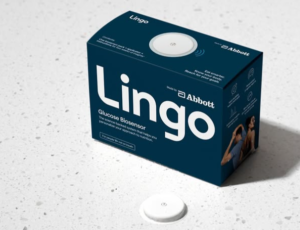
Continuous Glucose Monitors (CGM’S)
Continuous Glucose Monitors (CGMs) provide real-time insights into how your body responds to foods, drinks, and daily activities. We like to use Lingo by Abbott, which you wear for 14 days to track your glucose levels continuously. By using a CGM, you can uncover patterns, make informed choices, and better understand your personal metabolic responses, helping you optimise energy, mood, and overall health. Enjoy 10% off your Lingo trial by heading to the website and using code LingoCarePartner01 at the checkout.
Omega-3 to Omega-6 Balance
Why it matters: A healthy fat balance helps reduce inflammation and keeps gums resilient. Excess omega-6 relative to omega-3 is linked with chronic inflammation.
How it’s tested: Finger-prick or blood test
How often: Every 12 months when changing diet or supplements.
Our goal: Shift the balance toward omega-3 fats from foods such as oily fish, flaxseed, and chia.
Full Blood Count (FBC)
Why it matters: Identifies anaemia or infection, which can contribute to mouth ulcers, fatigue, and slower healing.
How it’s tested: Simple blood test
How often: Once a year or sooner if symptoms such as mouth ulcers or low energy are present
Our goal: Healthy blood and immune markers to support repair, healing, and energy.
Vitamin D
Why it matters: Vitamin D is essential for strong teeth, enamel health, and gum immunity. Low levels increase the risk of decay, infection and optimised healing.
How it’s tested: Finger-prick or blood test
How often: Every 6–12 months until optimal levels, then yearly
Our goal: Maintain vitamin D in a healthy, personalised range, often requiring extra support during winter months.
Symptom-Driven Biomarker Panels

Recurrent Mouth Ulcers
If you experience frequent mouth ulcers, we recommend targeted testing including:
- Iron studies (ferritin, serum iron, transferrin saturation)
- Vitamin B12
- Folate
- Vitamin D (25-OH)
- Full Blood Count
- HbA1c
Action plan:
- Address deficiencies through diet first, supplements if clinically indicated
- Refer to your GP to investigate underlying causes when needed
- Track ulcer frequency alongside biomarker improvements
Tooth Decay and Caries Risk
For patients with new or recurrent decay, we focus on both biology and lifestyle:
- Vitamin D optimisation for mineralisation and immune support
- HbA1c testing
- Continuous glucose monitoring (CGM) to identify blood sugar spikes related to meals and snacks
- Dietary review of sugar frequency, snacking habits, acidic drinks, and alcohol
- Salivary flow and buffering capacity assessment
Action plan:
- Use CGM insights to make practical changes (pair carbohydrates with protein and fats, reduce grazing, improve meal timing)
- Implement a personalised remineralisation plan using hydroxyapatite toothpaste and calcium-phosphate support
- Tailored recall and prevention schedule
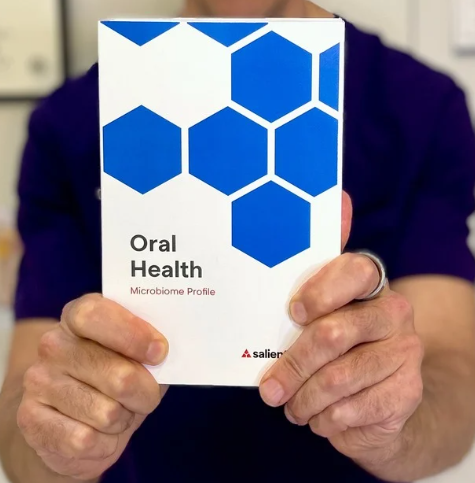
Oral Microbiome Testing
We use the Regenerus oral microbiome test, which analyses saliva or plaque to identify:
- Cariogenic bacteria
- Periodontal pathogens
- Microbial imbalances contributing to decay, gum disease, or halitosis
How results are used:
- Targeted antimicrobial approaches (such as ozone, only when indicated)
- Prebiotic and probiotic strategies
- pH management and personalised home-care routines
When to test:
- Periodontal treatment planning
- Recurrent decay
- Persistent bad breath
- When standard dental care is not achieving expected results
When to re-test: Around 12 weeks after intervention or if symptoms change.
Biocompatibility Testing for Dental Materials
Why Biocompatibility Matters
Dental materials such as fillings, crowns, and restorations can sometimes trigger immune responses in sensitive individuals. This reaction may create stress in the body and contribute to symptoms like inflammation, sensitivity, or general unwellness.
How We Test Biocompatibility
We use the Biocomp blood test, which evaluates how your immune system responds to various dental materials. Lab in USA. Results typically take around 14 days.
Benefits include:
- Reduced risk of dental toxicity
- Increased confidence in treatment choices
- Personalised selection of the least reactive materials for your body
Interpreting and Acting on Results
Biomarker testing is only valuable when paired with meaningful action:
- Glucose control: Improve meal structure, prioritise protein and fibre at breakfast, reduce grazing, and consider time-restricted eating where appropriate
- Omega-3 status: Increase oily fish intake or supplement with EPA/DHA; reassess after 12 weeks
- Vitamin D: Combine sunlight exposure, diet, and supplementation as needed; retest seasonally
- Iron, B12, folate: Correct deficiencies and investigate underlying causes
- Microbiome findings: Pair professional cleaning with targeted antimicrobials, dietary changes, and probiotics
- Biocompatibility results: Choose dental materials your body does not react to
We share all results with you and, with your consent, your GP or relevant specialists when needed.
Take the First Step Towards Better Oral and Whole-Body Health
Biomarker testing allows us to move beyond traditional dentistry and support your long-term health from the inside out. Are you ready to take the next step?
📍 Optimal Dental Health
1 Melcombe Street, NW1 6AE
📞 0203 921 1000
🌐 optimaldentalhealth.co.uk
Book your biomarker testing today and take control of your oral health and overall wellbeing. Book your dental health check online here.