Holistic Sleep Dentistry in London: Snoring, Airway And wake up every day refreshed
At Optimal Dental Health, sleep is part of how we treat the whole person, not just teeth.
Quality, restorative sleep supports immunity, mood, focus, metabolic health and long-term oral health. We help patients address snoring, mouth breathing and airway dysfunction naturally through myofunctional therapy, airway-focused dentistry and personalised sleep strategies.

Why Sleep Health Matters in Modern Dentistry
Sleep and dental health are deeply connected. Chronic mouth breathing, poor tongue posture or snoring can fragment sleep and increase inflammation, risk of gum disease, cavities, fatigue and hormone imbalance.
Our approach with our sleep dentist in London goes beyond symptom control, we restore function, nasal breathing and oral posture so you or your child can sleep deeply and wake energised.
Snoring Solutions & Airway Focused Dentistry
Snoring often indicates a partially blocked airway, not just noise.If you ever found yourself searching ‘how to stop snoring’ or ‘how to breathe better’, then you’re in the right place.
Our Sleep Dentists, Airway Experts and Myofunctional Therapists assess tongue posture, nasal breathing, jaw positioning and airway structure to find the root cause.
Myofunctional Therapy for both adults and children
Lifestyle and airway optimisation strategies
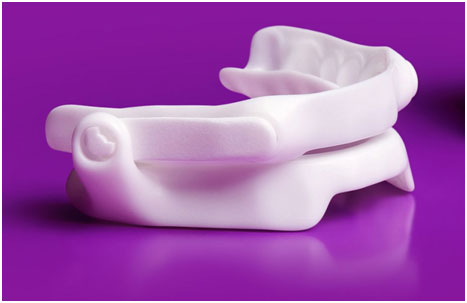
Improving airway function can transform sleep quality, daytime energy, mood and long-term health. We use Epworth Sleepiness scale, STOP BANG, Mallampati score and other testing to find the best solution for you. We also provide lifestyle changes, sleep hygiene, weight loss, breathing techniques and mandibular advancement devices.
Certified in the use of Silensor-sl device, a custom-made anti-snoring device that is worn overnight to gently keep the your airways open while they sleep
Mouth Breathing + Oral Posture Support
Nasal breathing is essential for proper oxygen uptake, immune defence and oral microbiome balance. Chronic mouth breathing dries the mouth, increases gum disease + tooth decay risk and disrupts sleep architecture.
We support you with:
Nasal breathing training
Mouth taping guidance for suitable patients
Functional orthodontic recommendations
Myofunctional therapy exercises and sleep devices
Myofunctional Therapy: Airway Support, Facial Development, Better Breathing and Sleep

Myofunctional Therapy retrains the tongue, lips and jaw muscles to restore proper oral function and nasal breathing. It supports optimal craniofacial development in children, improves airway stability in adults and helps maintain long-term orthodontic results.
Key benefits include:
Encouraging nasal breathing day and night
Supporting proper facial growth and jaw development in children
Improving tongue posture and swallowing patterns
Strengthening oral muscles to support airway function
Reducing snoring and sleep fragmentation naturally
Enhancing speech clarity and oral coordination
Helping maintain orthodontic results long-term
Our certified Myofunctional Therapists, Jenny Nicoll and Dr Aoife Stack, integrate myofunctional therapy with airway dentistry, whilst our Osteopath Chris Harris provides a range of osteopathy treatments, including cranial osteopathy to support alongside your journey to optimised health.
Airway & Sleep Support for Children

Healthy facial growth begins with healthy oral function.Mouth breathing, poor tongue posture, snoring, dark eye circles or restless sleep in children are early signs the airway is not developing optimally.
With functional orthodontics, myofunctional therapy, cranial osteopathy and early intervention, we help guide proper jaw growth, support nasal breathing and reduce the risk of future orthodontic relapse, behavioural issues, speech challenges and sleep-disordered breathing.
Airway Dentistry for Adults: Better Breathing, Better Energy, Better Recovery
If you wake unrefreshed, rely on caffeine to function or snore most nights, your airway may not be working efficiently during sleep. Airway-focused dentistry in London can help reduce snoring, improve oxygenation and support deeper, more restorative sleep.
Many adults experience improvements in:
daytime energy
mental clarity
emotional regulation
recovery capacity
long-term metabolic health
This is dentistry that supports your entire health, not just your teeth. If you’re looking for sleep dentistry in London, choose Optimal Dental Health in Baker Street.
Our sleep dentists in London help identify the root cause of snoring, which often involves airway obstruction or poor oral posture. Treatments may include myofunctional therapy, custom snore guards, lifestyle strategies, and breathing exercises to improve nasal airflow and better sleep. These approaches from our sleep dentist London, support deeper, restorative sleep without relying solely on medication or devices.
Children’s airway dentistry focuses on ensuring proper facial growth, jaw alignment, and nasal breathing in kids. Early intervention with functional orthodontics, myofunctional therapy, and airway assessments can reduce mouth breathing, prevent snoring, and improve overall sleep quality.
A sleep dentist evaluates how oral and airway function affects sleep. They provide solutions for snoring, sleep-disordered breathing, and airway dysfunction using techniques like custom snore devices, myofunctional therapy, and lifestyle optimisation. This holistic approach helps patients breathe better and sleep more soundly.
Breathing better at night often involves retraining oral muscles, correcting tongue posture, and improving nasal airflow. Our sleep dentists in London may recommend myofunctional therapy, nasal breathing exercises, or tailored orthodontic solutions to support proper airway function.
Absolutely. Adults may benefit from snore guards, lifestyle adjustments, and airway therapy, while children can gain from early airway-focused interventions to support healthy facial growth and improve breathing patterns during sleep.
If you or your child snore regularly, wake unrefreshed, experience fatigue, or show signs of disrupted sleep (like restless nights or mouth breathing), a consultation with our London sleep dentists can help identify the cause and recommend personalised treatments and snoring solutions.
Yes. We provide holistic sleep dentistry and snoring solutions for adults and children, combining airway-focused dentistry, myofunctional therapy in London, and lifestyle guidance to improve sleep quality and long-term health outcomes.

london, sleep, therapy, patient, hospital, breathing, snoring, polysomnography, restless legs syndrome, disease, positive airway pressure, insomnia, clinic, somnolence, parasomnia, neurology, actigraphy, medicine, circadian rhythm, email, physician, health, telephone, charing cross hospital, physiology, hypersomnia, muscle, dentist, gold standard, pressure, tongue, brain, diagnosis, consultant, service, patients, services, oxygen, medical history, how to stop snoring, mouth, throat, nasal congestion, exercise, nose, weight loss, bed, tissue, soft palate, allergy, healthcare, blood, nostril, airflow, blood pressure, weight, smoke, risk, physical examination, jaw, drink, neck, noise, obesity, choking, fatigue, how can i stop snoring, how do i stop snoring, how do you stop snoring, how can you stop snoring, how can i stop snoring at night, how can i stop snoring so loud, how do i stop snoring at night, how do i stop snoring so loud, how can i stop snoring while sleeping, how do i stop snoring while sleeping, snoring solutions, heart, nasal strip, hypertension, information, tennis ball, surgery, surgeon, gastroesophageal reflux disease, nasal spray, hypoglossal nerve, mouthguard, anti snore pillow, best snoring solutions, stop snoring mouthpiece, anti snoring mouth guard, best anti snore pillow, pillow to stop snoring, snoring chin strap, anti snoring chin strap, best snoring mouth guard, best snoring pillow, reduce snoring
Frequently Asked Questions
How can one stop snoring?
The ways to stop snoring include maintaining a healthy weight, sleeping on your side, avoiding alcohol before bed, and using oral appliances designed to keep airways open. Consulting with a dental professional can provide tailored solutions for effective management.
How can I stop snoring?
The ways to stop snoring include maintaining a healthy weight, sleeping on your side, avoiding alcohol before bedtime, and using oral appliances designed to keep your airway open. Consulting a dental sleep dentist can provide tailored solutions.
How do you stop snoring?
Stopping snoring involves various strategies, including maintaining a healthy weight, sleeping on your side, and using dental devices that promote proper jaw alignment. Consulting a dental sleep medicine specialist can provide tailored solutions for effective management.
How to stop snoring?
Stopping snoring involves several strategies, such as maintaining a healthy weight, sleeping on your side, and avoiding alcohol before bed. Consulting a dental sleep dentist can also provide effective treatments tailored to your needs.
What are effective methods to stop snoring?
Effective methods to stop snoring include maintaining a healthy weight, sleeping on your side, using nasal strips, and considering dental devices designed to keep the airway open. Consulting with a dental sleep medicine specialist can provide personalised solutions.
Can lifestyle changes help reduce snoring?
Lifestyle changes can significantly reduce snoring. Maintaining a healthy weight, avoiding alcohol before bedtime, sleeping on your side, and establishing a regular sleep routine are effective strategies to minimise snoring and improve sleep quality.
What devices assist in stopping snoring?
Devices that assist in stopping snoring include mandibular advancement devices, continuous positive airway pressure (CPAP) machines, and nasal strips. These solutions help to improve airflow and reduce airway obstruction during sleep.
How does sleep position affect snoring?
Sleep position significantly affects snoring. Sleeping on your back can cause the tongue and soft tissues to collapse to the back of the throat, leading to increased airflow obstruction and louder snoring, while side sleeping often reduces these issues.
Are there natural remedies for snoring?
Natural remedies for snoring include maintaining a healthy weight, sleeping on your side, using humidifiers, and avoiding alcohol before bed. These strategies can help alleviate snoring by promoting better airflow during sleep.
What role does weight play in snoring?
Weight plays a significant role in snoring. Excess body weight, particularly around the neck, can increase pressure on the airway, leading to obstructions during sleep and consequently causing snoring.
What foods should be avoided to reduce snoring?
Foods that should be avoided to reduce snoring include dairy products, alcohol, and heavy meals, especially close to bedtime, as they can increase mucus production and relax throat muscles, worsening snoring.
How does alcohol consumption impact snoring?
Alcohol consumption can significantly impact snoring by relaxing the throat muscles, which increases the likelihood of airway obstruction during sleep. This relaxation can lead to louder snoring and more severe sleep apnea symptoms.
What are the signs of sleep apnoea?
The signs of sleep apnoea include loud snoring, gasping for air during sleep, excessive daytime sleepiness, difficulty concentrating, and morning headaches. Recognizing these symptoms is crucial for seeking appropriate dental treatment and improving sleep quality.
How can dental appliances help with snoring?
Dental appliances can help with snoring by repositioning the jaw and tongue to maintain an open airway during sleep. This reduces airway obstruction, leading to quieter and more restful nights for both the snorer and their partner.
What exercises can strengthen throat muscles?
Exercises that strengthen throat muscles include singing, tongue exercises like pushing the tongue against the roof of the mouth, and repetitive swallowing. These activities can enhance muscle tone and may help alleviate issues related to sleep apnoea and snoring.
How does smoking contribute to snoring?
Smoking contributes to snoring by irritating the airways and causing inflammation, which narrows the throat and disrupts airflow during sleep. This can lead to increased vibration of the throat tissues, resulting in louder snoring.
What are the best sleeping positions to avoid snoring?
The best sleeping positions to avoid snoring are typically on your side or in a slightly elevated position. Sleeping on your back can cause the tongue and soft tissues to collapse in the throat, leading to snoring.
How can I tell if I snore?
The way to determine if you snore is by asking a partner or family member, or by recording yourself while you sleep. These methods can help identify snoring sounds and their frequency.
What is the impact of snoring on sleep quality?
The impact of snoring on sleep quality is significant. Snoring can disrupt both the snorer's and their partner's sleep, leading to fragmented rest and reduced overall sleep quality, which may result in daytime fatigue and other health issues.
How can partners address snoring issues together?
Partners can address snoring issues together by discussing the problem openly, exploring lifestyle changes, and seeking professional dental advice. Working collaboratively on solutions can improve sleep quality for both partners.
What are the long-term effects of snoring?
The long-term effects of snoring include disrupted sleep patterns, increased risk of sleep apnoea, and potential cardiovascular issues. Chronic snoring can also lead to strained relationships and diminished quality of life due to fatigue and irritability.
How can I track my snoring patterns?
Tracking your snoring patterns can be done using sleep tracking apps or wearable devices that monitor your sleep quality and record snoring episodes. Additionally, keeping a sleep diary can help identify triggers and frequency.
What professional treatments are available for snoring?
Professional treatments available for snoring include oral appliances, continuous positive airway pressure (CPAP) therapy, and surgical options. These treatments aim to improve airflow during sleep, reduce snoring, and enhance overall sleep quality.
How does snoring affect relationships?
Snoring can significantly affect relationships by disrupting sleep quality for both partners, leading to frustration, irritability, and decreased intimacy. Over time, this can create emotional distance and strain communication.
What is the best pillow for snorers?
The best pillow for snorers is one that promotes proper alignment of the neck and spine, such as a wedge or contour pillow. These designs help keep airways open, reducing snoring and improving sleep quality.
How can I create a sleep-friendly environment?
Creating a sleep-friendly environment involves ensuring a dark, quiet, and cool space. Use blackout curtains, white noise machines, and comfortable bedding to promote relaxation and enhance sleep quality.
What are common misconceptions about snoring?
Common misconceptions about snoring include the belief that it is harmless and merely a nuisance. In reality, snoring can indicate underlying health issues, such as sleep apnoea, which may require dental treatment for effective management.
snoring disorder treatment london, mallampati score, mandibular advancement device south london, anti snoring treatment london, optimal dental health, airway dentist london, airway dentist, sleep dentistry near me, sleep dentistry shoreditch, what is sleep apnoea, sleep dentist near me, sleep dentistry london, sleep and airway health, sleep apnoea doctor, airway dentist uk, sleep apnoea, sleep apneoa london, airway dentists london, airway dentist baker street, dr aoife stack, airway health london, sleep apnoea symptoms
Understanding Sleep Apnoea
Sleep apnoea is a serious sleep disorder characterized by repeated interruptions in breathing during sleep. This condition can lead to various health complications, including cardiovascular issues and daytime fatigue. Understanding the symptoms and causes of sleep apnoea is crucial for effective management and treatment.
Common symptoms include loud snoring, gasping for air during sleep, and excessive daytime sleepiness. Factors contributing to sleep apnoea can range from obesity and age to anatomical features such as a thick neck or enlarged tonsils. Recognizing these signs early can lead to timely intervention and improved health outcomes.
Treatment Options for Sleep Apnoea
There are several effective treatment options available for managing sleep apnoea, tailored to the severity of the condition. These range from lifestyle modifications to more advanced medical interventions, ensuring that patients can find a solution that works for them.
Options include Continuous Positive Airway Pressure (CPAP) therapy, which involves wearing a mask that provides a steady stream of air to keep airways open, and oral appliances like the Silensor-sl device. Additionally, lifestyle changes such as weight loss, quitting smoking, and avoiding alcohol can significantly reduce symptoms and improve sleep quality.
The Role of Dental Sleep Medicine
Dental sleep medicine plays a vital role in the treatment of sleep apnoea by providing non-invasive solutions tailored to individual patient needs. Dentists trained in this field can create custom oral appliances that help keep the airway open during sleep, offering an alternative to CPAP therapy.
These devices, such as mandibular advancement devices, are designed to reposition the jaw and tongue to prevent airway obstruction. By integrating dental care with sleep medicine, patients can receive comprehensive treatment that addresses both their dental and sleep health needs.
Patient Testimonials and Success Stories
Hearing from patients who have successfully managed their sleep apnoea can provide hope and encouragement for those seeking treatment. Testimonials often highlight the positive impact that effective dental sleep medicine has had on their quality of life.
For instance, many patients report significant improvements in their sleep quality, energy levels, and overall well-being after using oral appliances. These success stories underscore the importance of seeking professional help and the potential for transformative outcomes through proper treatment.